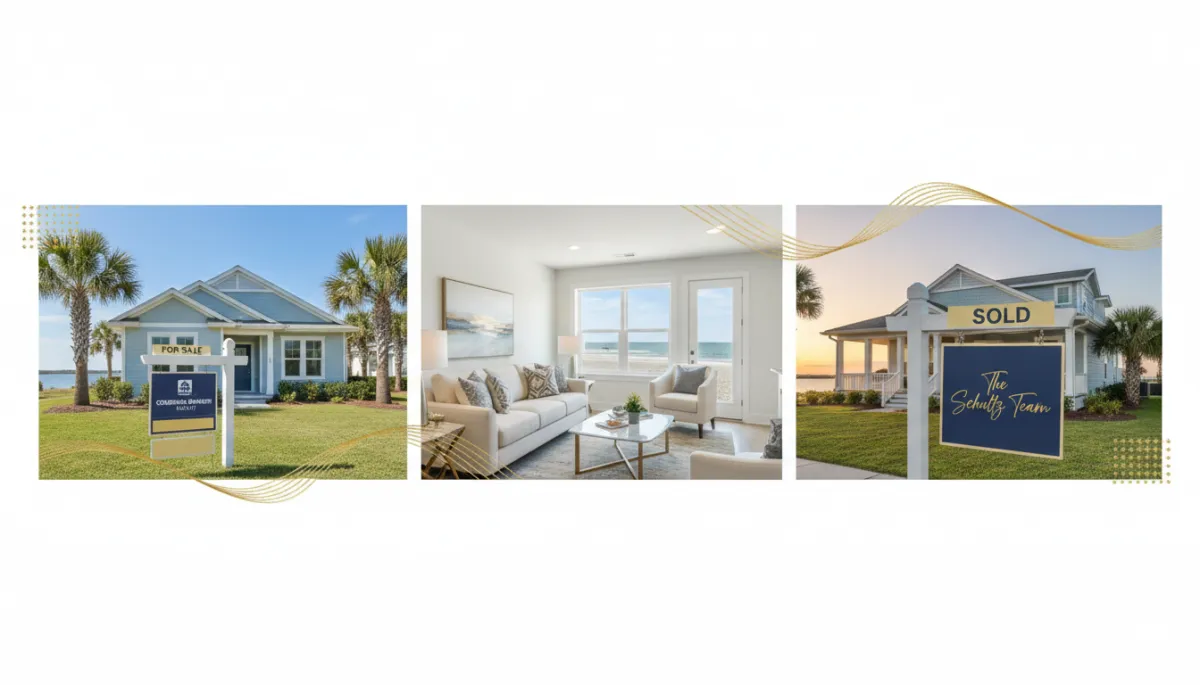
Avoid Home Selling Mistakes in NW Florida
Real Estate, Home Selling, NW Florida
Top Mistakes Home Sellers Make in NW Florida
If you plan to sell a home in Niceville, Destin, Fort Walton Beach, or anywhere in NW Florida in 2026, you cannot afford guesswork. Inventory is up, buyers are pickier, and the homes that sell fast and for top dollar are the ones marketed and priced with precision. Here are the top home selling mistakes NW Florida owners make—and exactly what to do instead.
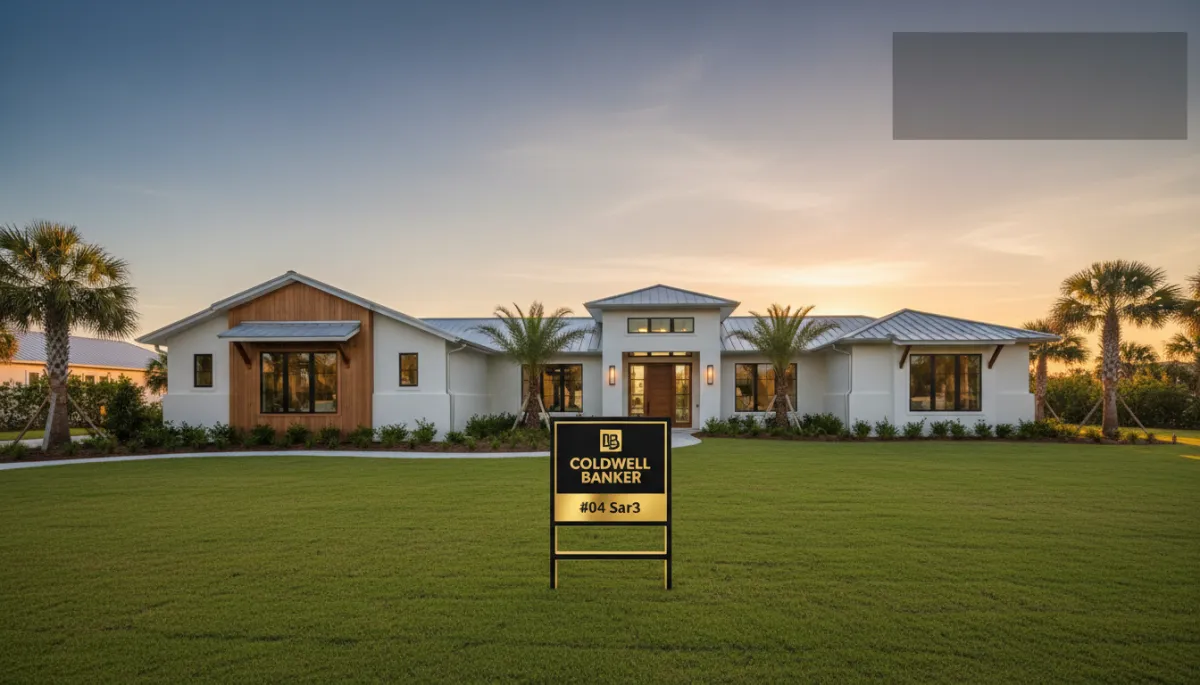
1. Overpricing Based on Emotion, Not Data
What sellers do wrong: They price based on what they “need to get,” what a neighbor claims they sold for, or what the home would have brought in the 2021–2022 frenzy. In 2026, NW Florida is more balanced. Inventory across the region is up roughly 40%+, and bidding wars have cooled. Buyers have options and walk away from overpriced listings fast.
Why it costs you money: Overpriced homes sit. In Okaloosa County, median days on market have already stretched into the 60–90 day range for many properties. The longer you sit, the more buyers assume something is wrong. You end up chasing the market down with price cuts and often sell for less than if you had priced correctly from day one—plus you keep paying taxes, insurance, and utilities while you wait.
What to do instead: Price off hard data, not hope. Use recent comparable sales from the last 60–90 days in your specific neighborhood and school zone. Look at closed prices, not just wishful active listings. In a market where single-family prices are still edging up but at modest rates, you want to be the best-value home in your price bracket—not the one buyers use to justify offering more on your competition. A strong NW Florida listing agent will show you a written pricing strategy, not just a number they think you want to hear.
2. Poor Listing Photos in an Online-First Market
What sellers do wrong: They allow dim, crooked cell phone photos, cluttered rooms, or skipped photography altogether in favor of “we’ll get people in once they see it.” In 2026, buyers start—and often finish—their search on their phone. If your photos are bad, most will never schedule a showing at all, whether they are relocating to Eglin, shopping Destin home selling 2026 opportunities, or moving across town in Niceville.
Why it costs you money: Poor photos cut your buyer pool immediately. Fewer showings mean fewer offers and less leverage. Your home will look smaller, darker, and less cared for than it really is, so buyers mentally discount it before they ever walk in. That usually translates into lower offers—or none at all—while better-presented homes nearby sell first and set the pricing bar without you.

Professional, well-lit photos make buyers stop scrolling and book a showing.
What to do instead: Demand professional photography as a non‑negotiable. That means wide‑angle lenses, proper lighting, exterior twilight shots where appropriate, and clean, vertical lines. Your agent should schedule photos after the home is cleaned, decluttered, and staged. In a market with rising inventory, strong visuals are one of the simplest, highest‑ROI NW Florida home seller tips available to you.
3. Skipping Staging and Basic Decluttering
What sellers do wrong: They list “as is” from a living standpoint—overstuffed closets, crowded countertops, personal photos, and bold paint colors. They assume buyers will “see past it” or accept “lived‑in” because the home is in a good Niceville or Bluewater Bay location. They won’t. Not in 2026, when they can compare you to multiple clean, staged listings nearby.
Why it costs you money: Clutter and dated décor make rooms feel smaller and less valuable. Buyers focus on your stuff instead of your square footage. They mentally add “projects” and “costs” to make the home feel move‑in ready and adjust their offers down—or skip your property entirely. Homes that show poorly tend to sit longer and attract bargain hunters instead of strong, confident buyers.
What to do instead: At minimum, remove 30–40% of items from every room. Pack early. Clear counters, thin out furniture, and neutralize paint where it’s loud or dark. Consider light staging: fresh bedding, simple art, neutral rugs, and a few coastal touches that fit NW Florida’s lifestyle. A good agent will walk room‑by‑room with you and give a blunt, prioritized list of what to change before photos and showings.
4. Skipping Strategic Pre‑Listing Repairs and Improvements
What sellers do wrong: They either do nothing or they do the wrong things. Some ignore obvious issues—peeling paint, rotted trim, fogged windows, stained carpet, missing shingles. Others overspend on big renovations right before listing, assuming every dollar will come back at closing. It usually doesn’t work that way in a market like NW Florida’s 2026 environment, where buyers are price‑sensitive but still expect well‑maintained homes.
Why it costs you money: Deferred maintenance scares buyers and inspectors. It invites low offers, re‑negotiations after inspections, and sometimes failed contracts. On the flip side, over‑improving—like a full kitchen gut—rarely returns dollar‑for‑dollar in Niceville, Destin, or Fort Walton Beach unless done years earlier. You risk pouring money into projects that buyers won’t fully value at appraisal time.
What to do instead: Focus on high‑impact, moderate‑cost items: fresh neutral paint, pressure washing, basic landscaping, new caulk and grout, updated light fixtures, and replacing worn carpet or damaged vinyl. Fix obvious safety or insurance red flags—roof leaks, soft spots, missing handrails, and visible wood rot. In a coastal, storm‑prone region, clean four‑point and wind‑mitigation reports can make your home far easier to insure, which directly helps your bottom line.
5. Choosing the Wrong Agent for the Wrong Reasons
What sellers do wrong: They hire based on friendship, the first postcard in the mail, or whoever quotes the lowest commission—without asking about track record, negotiation strategy, or local data expertise. In a shifting market, that is a direct threat to your net proceeds, especially if you’re trying to figure out how to sell a house in Niceville or nearby military‑driven submarkets where pricing nuances matter.
Why it costs you money: An agent who discounts their fee but can’t defend your price, market your home aggressively, or manage inspections and appraisals will cost you far more than they save. Poor pricing advice, weak marketing, and sloppy communication lead to longer days on market, more price cuts, and tougher negotiations. Your “savings” on commission evaporate in a lower sale price and higher stress.
What to do instead: Interview at least two to three agents who specialize in NW Florida—specifically Niceville, Destin, and Fort Walton Beach. Ask for their list‑to‑sale price ratio, average days on market, and how many homes they’ve sold in the last 12 months. Review their online listings; if their photos, descriptions, and marketing are weak, expect the same for your home. Choose the agent who brings data, a clear plan, and the confidence to tell you the truth about your home’s value.
6. Ignoring the First Two Weeks on Market
What sellers do wrong: They treat the first two weeks like a soft launch—photos still being updated, limited showings, or “we’ll fix that later” attitude. They assume they can always adjust if things are slow. In reality, your listing is hottest the day it hits the MLS. That’s when every active buyer and agent in NW Florida sees it and decides whether to act or ignore it.
Why it costs you money: If you waste that initial surge with poor photos, limited access, or the wrong price, you burn your best opportunity. Interest drops sharply after the first two weeks. Future buyers see your growing days‑on‑market count and assume you’re either overpriced or difficult to work with. That weakens your negotiating position and often forces you into price reductions to re‑ignite interest.
What to do instead: Treat day one like opening night. Have all repairs, cleaning, staging, and professional photos done before you go live. Make showings as flexible as possible, especially in the first 14 days. Monitor activity and feedback closely with your agent. If you miss the mark on price, adjust quickly—don’t wait months while your listing goes stale in a market where buyers have more choices than they did a few years ago.
7. Focusing on Price, Not Net Proceeds
What sellers do wrong: They obsess over hitting a certain sticker price—“I want at least $600,000”—and ignore what they actually walk away with after fees, repairs, concessions, and time on market. They compare offers only on price and overlook closing timelines, inspection terms, and buyer strength, all of which affect their real net.
Why it costs you money: The highest offer on paper is often not the best deal. A slightly lower offer with fewer contingencies, a stronger lender, or a cash buyer who can close quickly may leave you with more money and less risk. Ignoring carrying costs—mortgage, insurance, HOA dues, and utilities—also skews the math. A long, drawn‑out sale eats into your profit, especially in coastal markets with higher insurance costs.
What to do instead: Before you list, sit down with your agent and build a true net sheet at several likely sale prices. Include estimated closing costs, commissions, payoff amounts, and typical concessions for your price point. When offers come in, compare them side‑by‑side on net proceeds, closing date, contingencies, and risk—not just the top‑line number. This is the only way to make smart, unemotional decisions about selling a home in Fort Walton Beach, Destin, or Niceville in 2026.
8. Rejecting the First Strong Offer, Waiting for “Better”
What sellers do wrong: They get a solid offer in the first few days and assume it means they underpriced. They hold out for a bidding war that never comes, especially now that the 2021‑style frenzy is over and NW Florida inventory has climbed. They counter too aggressively or decline altogether, convinced “the right buyer” is just around the corner at a much higher price.
Why it costs you money: Serious buyers watch new listings closely and move fast when they see value. That first strong offer is often from the most motivated, best‑qualified buyer you’ll see. When you push them away, you risk sitting longer, taking a weaker offer later, and signaling to the market that you’re unrealistic. Data from balanced markets around the country consistently shows that early offers are usually among the best you’ll receive.
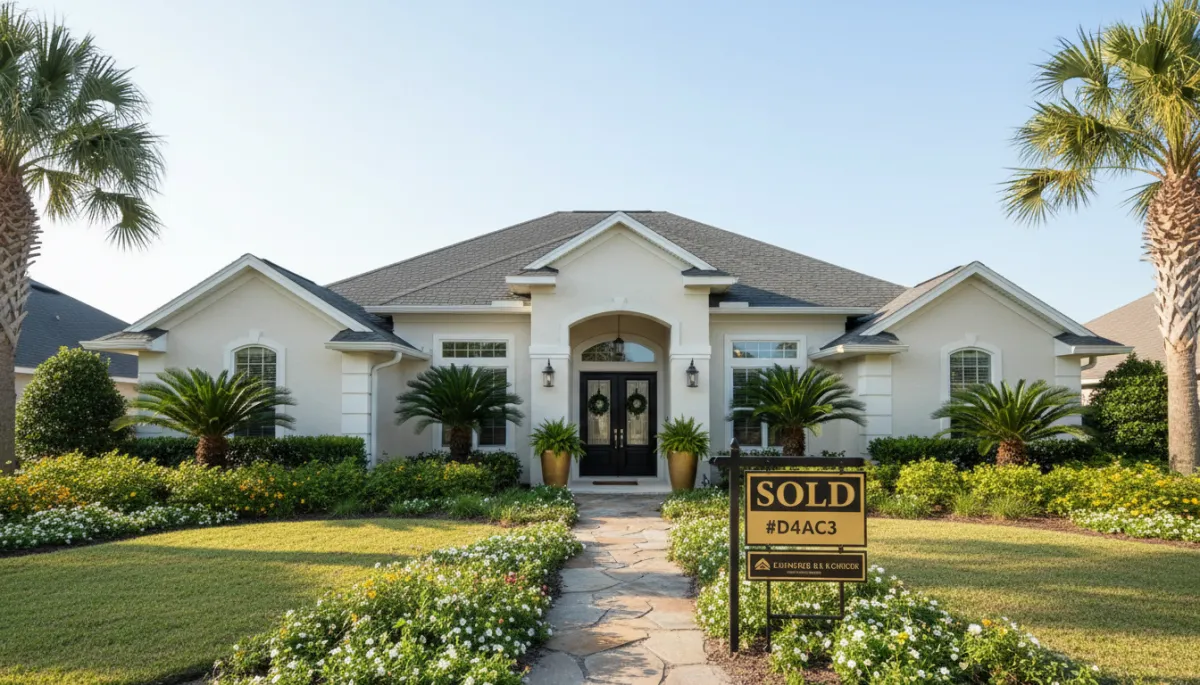
Strong early offers often come from your most motivated, best-qualified buyers.
What to do instead: Evaluate that first strong offer against your net sheet and current market data. Ask: If this same offer arrived 45 days from now, would I be thrilled to get it? If the honest answer is yes, think twice before walking away. Your agent should provide a clear, unemotional breakdown of pros, cons, and likely outcomes if you hold out versus negotiate now.
9. Failing to Disclose Known Issues
What sellers do wrong: They “forget” to mention past leaks, foundation repairs, prior insurance claims, or known electrical and plumbing issues. They hope the inspector won’t catch it or assume “it’s not that bad.” In Florida, with strict disclosure requirements and heavy insurance scrutiny, this is a fast way to blow up a deal and create legal exposure for yourself after closing.
Why it costs you money: When buyers discover undisclosed problems—through inspections, insurance inspections, or neighbors—they lose trust immediately. Many will walk away, forcing you back on the market with a stigmatized listing and a paper trail of failed contracts. Others will demand steep concessions. Worst case, you face legal action for failing to disclose material defects, which can cost far more than any repair would have upfront.
What to do instead: Be honest and proactive. Complete the Florida seller’s disclosure thoroughly and accurately. If there is a known issue, either fix it properly before listing or price and disclose accordingly. Provide documentation for past repairs, permits, and warranties. In a coastal market where buyers worry about roofs, water intrusion, and insurance, transparency builds trust and can actually help your home sell faster and cleaner.
10. Listing at the Wrong Time for NW Florida
What sellers do wrong: They pick a random date to list—often right before major holidays, during peak hurricane threats, or at times when their ideal buyers are distracted or out of town. They ignore local seasonality, military transfer cycles, and tourism patterns that drive buyer traffic in Niceville, Destin, and Fort Walton Beach.
Why it costs you money: List when buyer activity is low and you get fewer showings, fewer offers, and less leverage. You may end up sitting on the market through slower months, then reducing your price right when demand actually picks up. National data shows April often delivers the best combination of price and speed, and local data in NW Florida backs up stronger spring activity followed by solid summer movement tied to school calendars and PCS transfers.
What to do instead: If you have flexibility, plan ahead. For many NW Florida sellers, early to mid‑April is a prime window to hit the market, with strong online search traffic and buyers eager to move before the next school year. If your priority is speed over every last dollar, late summer can also work well. The key is to coordinate timing with your agent based on current local data, not guesswork or convenience alone.
Sell Smart, Not Hopeful
NW Florida’s 2026 market still rewards sellers—but only those who treat their sale like a serious financial transaction, not a casual experiment. Price with data, present your home like a product, respect the first two weeks, and choose an agent who will protect your net, not your ego. That is how to sell a house in Niceville, Destin, or Fort Walton Beach for maximum return in a more balanced market.
Want to sell your NW Florida home for top dollar? Call The Schultz Team at (850) 461-3717 or visit 350 W John Sims Pkwy Suite 402, Niceville, FL 32578.