Why Real Estate Is America's Top Investment
Real Estate, NW Florida Home Buying, Investment
14 Years and Counting: Why Real Estate Is Still America's #1 Investment — And Why NW Florida Makes It Even Better
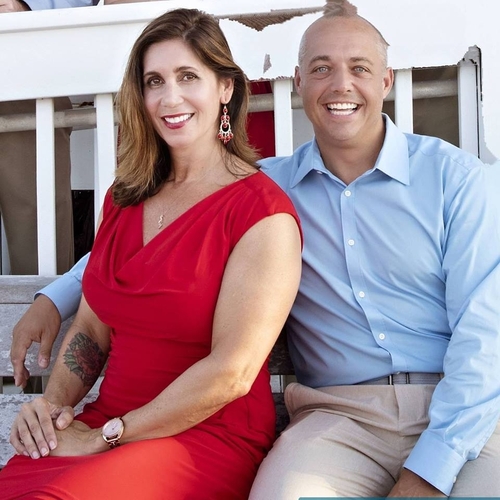
Written by Louann Schultz, The Schultz Team at Coldwell Banker Realty, Niceville, FL.
Every year, Gallup asks Americans one simple question: what’s the best long-term investment you can make? For 14 straight years in a row, the answer has been the same — real estate. Not stocks. Not gold. Not savings accounts or bonds. Real estate. And in 2026, even with higher prices and headlines about affordability, confidence in real estate as a wealth-building tool remains remarkably strong. If you live, rent, or invest along the Emerald Coast, that matters. Here’s what this national data means for NW Florida buyers, renters, and investors who are trying to make smart decisions right now.
1. The Data Doesn’t Lie — 14 Straight Years at the Top
Since 2012, Gallup’s annual Economy and Personal Finance poll has asked Americans which long-term investment they think is best. Every year, real estate has come out on top — ahead of stocks, gold, savings accounts, and bonds. In the 2025 survey, 37% of U.S. adults chose real estate as the best long-term investment, compared with 23% for gold and 16% for stocks (Gallup).
Think about everything that’s happened since 2012: the post-recession recovery, a pandemic, record-low interest rates, then rising rates, inflation, political swings, stock market volatility, and constant talk of bubbles. Through all of it, Americans kept picking real estate as their top long-term play. That’s not a fad. That’s conviction built on lived experience — watching home equity quietly compound year after year while other assets swing up and down on a screen.
At the same time, Gallup’s 2026 poll shows a split mindset: only 29% of Americans say it’s a good time to buy a house right now, and just 25% of non-homeowners think they’ll buy in the next five years (Gallup). Yet 65% still believe home prices in their area will rise over the next year, and that number jumps to 79% among younger adults aged 18–34. Translation: people are nervous about timing, but they still expect real estate values to keep climbing. That’s exactly why those who do buy — especially in strong markets like NW Florida — tend to come out ahead over time.
2. Why Real Estate Beats the Alternatives
When you strip away the noise, long-term investing comes down to a few simple questions: Will this asset grow? Will it pay me while I hold it? And how much control do I have? Real estate checks boxes that other assets simply don’t — especially for everyday families in NW Florida who want both a place to live and a path to wealth.
Real Estate vs. Stocks
Stocks can be excellent long-term investments, but they’re also volatile. It’s not unusual for the stock market to drop 20–30% or more in a rough year — sometimes with no warning and no clear timeline for recovery. You can’t control management decisions, global events, or algorithm-driven trading. And you can’t live in your brokerage account when a hurricane comes through the Gulf.
Real estate, by contrast, tends to move more slowly and has a long history of recovering and then surpassing prior peaks. In NW Florida, even after short-term pauses, long-run demand from military jobs, tourism, and in-migration has pushed values higher over the decades. On top of that, real estate lets you use leverage: with a $50,000–$100,000 down payment, you can control a $400,000–$500,000 asset. If that property appreciates 4% in a year, that’s $16,000–$20,000 in value growth on your equity — not counting principal paydown — without you having to come up with the full purchase price in cash.
Real Estate vs. Gold
Gold is a classic “fear asset.” It can be useful as a hedge, but it doesn’t produce anything. It doesn’t pay rent. It doesn’t grow a business. It just sits there, hoping to be worth more later. Real estate is different. A home in Niceville, Destin, or Bluewater Bay can appreciate over time and, if used as a rental or part-time short-term rental (where allowed), can generate real monthly income. Even if you live in it full-time, every mortgage payment is quietly building equity in the background.
Real Estate vs. Savings Accounts and Bonds
Savings accounts and CDs are important for short-term safety and emergency funds. But over long periods, cash in the bank rarely keeps up with inflation. You might earn 3–4% interest while your cost of living rises 4–5% or more. Bonds offer predictable income, but limited upside — especially once you factor in inflation and taxes.
Real estate, historically, has outpaced inflation in many markets. In the Crestview–Fort Walton Beach–Destin metro, for example, the median single-family price reached about $445,000 in Q1 2026, up 7.2% year-over-year, while closed sales jumped more than 21% (Florida Realtors). That’s real appreciation on top of any rental income or principal paydown.
The Unique Advantage: You Can Live in This Investment
This is the part that gets overlooked. A primary residence is both a financial asset and a roof over your head. Every month you own instead of rent, three things happen:
- Your principal balance goes down, building equity.
- Your property has the potential to appreciate in value.
- You lock in a payment (with a fixed-rate loan) instead of chasing rising rents.
You can’t say that about any other major asset class. That’s a big reason “real estate best investment 2026” isn’t just a search term — it’s how millions of American families actually build wealth.

Every on-time mortgage payment quietly shifts wealth from your landlord’s pocket to your own.
3. The Homeowner vs. Renter Wealth Gap
Nationally, the average homeowner’s net worth is roughly 40 times that of the average renter, according to repeated analyses from the Federal Reserve and industry groups. That gap is driven largely by one thing: home equity. Homeowners build it; renters don’t. Over a decade or two, that difference becomes enormous.
In NW Florida, that wealth gap is especially pronounced because of how values have moved over the last 10–15 years. Niceville is a clear example. Recent 2026 data show median sold prices ranging from about $480,000 to $580,000 depending on the data source and time frame — with local MLS pulls showing a median sold price near $580,000 over a recent 45-day window (Uber Realty; Coastal Realty Services). Homes are still selling at roughly 99–100% of list price, often within 50–60 days.
Now imagine two neighbors who moved to Niceville a decade ago. One bought a home for, say, $300,000. The other decided to keep renting at $1,800–$2,000 per month. Today, that $300,000 home might be worth $475,000–$525,000 or more, depending on neighborhood and condition. The owner has likely paid down tens of thousands in principal and gained well into six figures in equity. The renter, meanwhile, has paid well over $200,000 in rent — and built zero equity. Same city, same years, very different outcomes.
If you’re renting in NW Florida today, you’re not just paying for a roof. You’re also funding someone else’s retirement plan. Every month you delay becoming a homeowner is another month you help your landlord build wealth instead of yourself. That’s the heart of the homeownership vs renting NW Florida conversation — and it’s why many long-time renters feel like they’re always chasing the market.
4. Why NW Florida Makes the Investment Case Even Stronger
All real estate is local. The same Gallup survey that shows national faith in real estate doesn’t tell you where to buy. That’s where the Emerald Coast stands out. Niceville, Destin, Fort Walton Beach, Crestview, and the 30A corridor have structural advantages that many other markets can’t match.
No State Income Tax
Florida’s lack of state income tax is a real, ongoing return on investment. Every year, high-earners moving from states like California, New York, or Illinois gain thousands back in take-home pay. That extra cash can go toward a down payment, renovations, or an additional Destin real estate investment property. For retirees, it can mean more room in the budget to own a home close to the grandkids and the Gulf.
Military-Anchored Stability
Eglin Air Force Base, Hurlburt Field, and other military installations create a steady, recession-resistant demand for housing across Okaloosa County. Service members, civilian contractors, and support staff arrive and rotate out every year, regardless of what the stock market did last quarter. That anchors both the owner-occupant market and the long-term rental market in places like Niceville, Bluewater Bay, Valparaiso, and Crestview. For investors, that means fewer “ghost town” risks in a downturn and more consistent occupancy.
Tourism-Driven Appreciation
Destin and the broader Emerald Coast attract tens of millions of visitors each year. That constant tourism demand fuels the short-term rental market and second-home demand from across the Southeast and beyond. Even as regulations evolve, the underlying driver remains: people want to be here. That demand has helped support appreciation for Gulf-front condos, bayfront homes, and properties within easy driving distance of the beaches — including many Niceville FL real estate investment opportunities that offer lower insurance costs and higher elevation than direct Gulf-front.
Constrained Supply in the Most Desirable Areas
You can’t create more Gulf-front or Choctawhatchee Bay shoreline. The geography of NW Florida limits how many truly prime locations can ever exist. Even inland, many of the most desirable neighborhoods in Niceville and Destin are largely built out, with only infill or redevelopment opportunities. Over time, that constrained supply tends to support and grow values — especially as population growth and in-migration continue to push demand higher across the Panhandle.
Florida Homestead Protection and the Save Our Homes Cap
For primary residents, Florida’s homestead laws are a major advantage. Once you establish your homestead on a property, the Save Our Homes cap limits annual increases in your assessed value for tax purposes to the lesser of 3% or the change in the Consumer Price Index. In a rising market, that can keep your property tax bill far more manageable than your home’s market value might suggest. Over a decade or more, that savings adds up — and it makes staying in your home long-term more affordable, even as your equity grows.
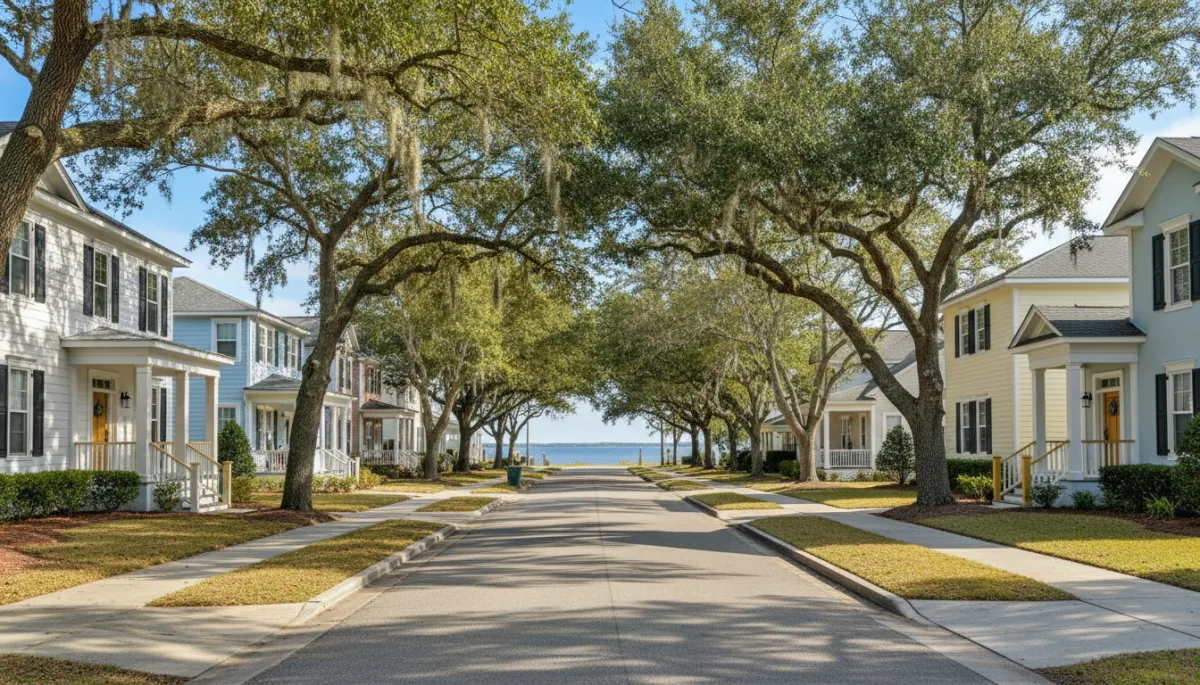
Limited coastal land and steady demand help NW Florida properties hold and grow value.
5. 2026 Is a Buyer’s Window
So where does all this leave you if you’re thinking about NW Florida home buying in 2026? The short answer: you’re in a better position than buyers were in 2021–2022, even if rates are higher than the pandemic lows. Inventory has risen across much of the Emerald Coast, from Crestview to Destin to Niceville, creating a more balanced market with more choices and a bit more negotiating room. You’re less likely to face 10 offers on day one or have to waive every contingency just to be in the running.
Statewide, Florida Realtors report that 2026 is shaping up on firmer ground: mortgage rates have eased from peaks near 7% down toward the low-6% range, and NAR forecasts call for a meaningful rebound in existing-home sales as more inventory hits the market (Florida Realtors). Locally, Q1 2026 data for the Crestview–Fort Walton Beach–Destin region show strong year-over-year growth in closed sales and rising median prices for single-family homes. That combination — more sales activity and moderate price growth — is what a healthy, expanding market looks like.
Yes, interest rates today are higher than the 2–3% loans we saw in 2020–2021. Those rates are gone. Waiting for them to come back is like waiting for gas to be $1.50 again. Instead, serious buyers are using a different, proven strategy: marry the house, date the rate. In plain English, that means:
- Buy the right home now, while you have more inventory to choose from and less competition.
- Lock in your purchase price and start building equity immediately.
- Refinance later if and when rates drop, potentially lowering your payment without giving up your hard-won equity position.
The risk of waiting is straightforward: if rates drift down and buyer sentiment improves, the “crowd” comes back. Multiple offers return. Prices firm up or move higher. That’s exactly what we’ve seen in previous cycles. Meanwhile, the renter who stayed on the sidelines has missed another year or two of principal paydown and appreciation. For many NW Florida buyers, especially those with stable income and a medium- to long-term time horizon, 2026 looks less like a problem and more like a window.
6. The Schultz Team: Data, Strategy, and Local Expertise
If you’ve been on the fence about buying in NW Florida — whether it’s your first home, a move-up property, or a Niceville FL real estate investment — the numbers send a clear message. For 14 straight years, Americans have named real estate their #1 long-term investment. Gallup’s 2026 data show that even people who are nervous about buying right now still overwhelmingly expect prices to rise. And here along the Emerald Coast, we have powerful local drivers — military stability, tourism, no state income tax, constrained coastal supply, and homestead protections — that make the case even stronger.
Our job at The Schultz Team is simple: cut through the noise and help you make a clear, data-driven decision that fits your life. That might mean:
- Running real numbers on rent vs. buy for your specific situation in Niceville, Fort Walton Beach, or Destin.
- Identifying neighborhoods where you can balance commute, schools, insurance, and long-term appreciation potential.
- Evaluating whether a primary home, second home, or rental-focused property is the right move for your goals.
No pressure. No hype. Just straight talk, current data, and local knowledge from a team that lives and works right here in Niceville. Whether you’re searching “real estate best investment 2026,” comparing homeownership vs renting NW Florida, or scouting your next Destin real estate investment, you don’t have to figure it out alone.
Call The Schultz Team at (850) 461-3717 or visit us at 350 W John Sims Pkwy, Suite 402, Niceville, FL 32578 to talk through your options. We’ll walk you through what the numbers say, what the local market is actually doing street by street, and how to position yourself to benefit from the next 5–10 years along the Emerald Coast.
Real estate has been America’s #1 long-term investment for 14 years and counting. In NW Florida, with the right strategy and the right team, it can be the cornerstone of your financial future too.