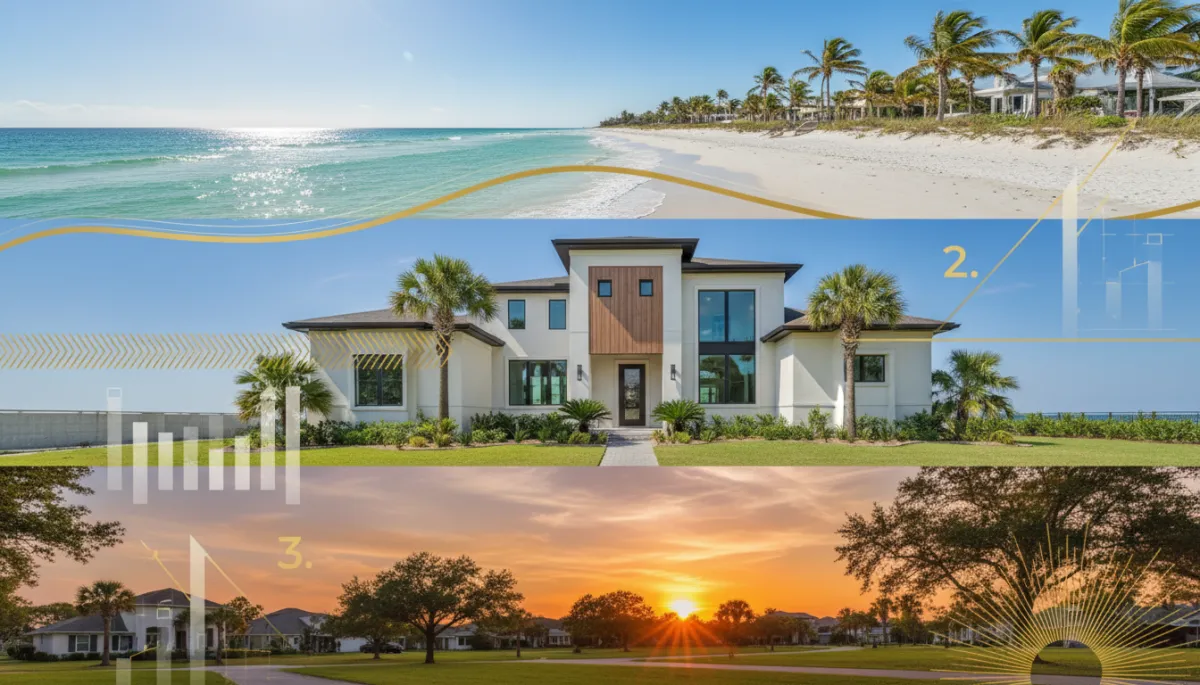
NW Florida Real Estate: 2026 Market Analysis
Real Estate, NW Florida Market Outlook, Investment Analysis
Why NW Florida Is Still Undervalued: 2026 Market Analysis
For buyers and investors watching the Emerald Coast from the sidelines, 2026 is a pivotal year. The data shows Northwest Florida remains one of the most compelling—and still undervalued—coastal real estate plays in the country.
1. Price Per Square Foot: Coastal Value Hiding in Plain Sight
When you strip the emotion out of real estate and look strictly at price per square foot, Northwest Florida stands out as a relative bargain among coastal and Sun Belt destinations with similar lifestyle appeal and climate.
As of mid‑2026, median listing price per square foot is roughly $267 in Okaloosa County and about $376 in Walton County, according to federal and brokerage data. Within key cities, Fort Walton Beach sits closer to $226 per square foot, with some neighborhoods still under $200. By contrast, comparable coastal and high-demand Sun Belt markets with similar beaches, tourism, and climate routinely trade at significantly higher price-per-square-foot levels, often hundreds of dollars more for similar or inferior lifestyle quality.
At a statewide level, Florida’s median listing price per square foot hovers around $257. That means portions of Northwest Florida deliver coastal living at or even below the state average, despite offering world-class beaches and a diversified regional economy. For investors focused on NW Florida real estate investment 2026 opportunities, this gap between intrinsic lifestyle value and current pricing is a clear signal of undervalued Florida real estate rather than a market that has already peaked.
2. Exceptional Quality of Life That Outperforms the Numbers
Price alone never tells the full story. The Emerald Coast delivers a quality of life that rivals or exceeds many of the country’s most expensive coastal enclaves—without the corresponding price tag. This disconnect is one of the core reasons the Emerald Coast real estate value story remains so compelling.
- World-class beaches: The Emerald Coast’s sugar-white sands and clear, emerald-green water are regularly ranked among the best in the United States by travel publications and beach indexes. This is the backdrop your tenants, guests, or family enjoy every single day.
- 320+ days of sunshine: With more than 320 sunny days per year, Northwest Florida offers the outdoor lifestyle that remote workers, retirees, and vacationers are actively seeking—golf, boating, fishing, and year-round beach access.
- Military community stability: Anchored by major installations and defense employers, the region benefits from remarkably stable housing demand. Military and civilian defense personnel provide a consistent base of year-round residents and renters, which helps support both primary-residence and Destin property investment strategies.
- No state income tax: Florida’s tax structure is a powerful draw for high-earning professionals, retirees on fixed income, and investors. Keeping more of your income and rental revenue directly enhances your long-term return profile.
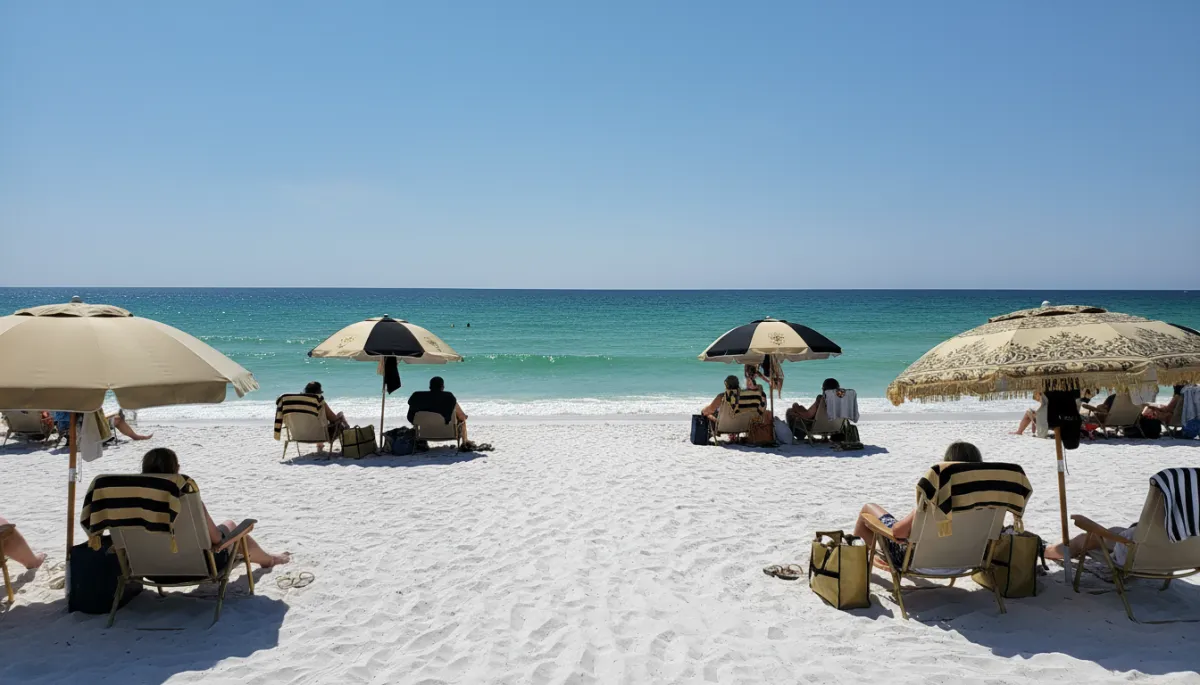
Lifestyle demand for Emerald Coast beaches underpins long-term housing and rental strength.
3. Infrastructure and Economic Growth Driving Durable Demand
Beyond its beaches, Northwest Florida is building a diversified economic base that continues to attract jobs, residents, and visitors. That combination is critical for any serious NW Florida market outlook in 2026 and beyond.
- Defense sector expansion: The Crestview–Fort Walton Beach–Destin region is deeply tied to the defense industry. Ongoing federal investment and private-sector support roles create high-quality, often recession-resistant jobs. This underpins stable housing demand from both ownership and rental perspectives.
- New businesses and services: As population and incomes rise, retail, healthcare, hospitality, and professional services continue to expand. Each new business adds another layer of local employment and consumer spending, which supports property values across Okaloosa and Walton counties.
- Tourism growth: Visitor numbers along the Emerald Coast have surged over the past decade, and 2026 is no exception. A balanced market has replaced the post‑pandemic frenzy, but the underlying tourism trend remains firmly upward. That translates directly into resilient short‑term rental demand and strong second‑home interest.
4. Destin–Fort Walton Beach Airport: A Demand Engine in the Sky
The Destin–Fort Walton Beach Airport (VPS) has quietly become one of the most important catalysts for local real estate demand. Passenger traffic jumped more than 40% from 2019 to 2022, and the growth trajectory has continued into 2026. To keep pace, Okaloosa County approved a multimillion‑dollar fuel farm expansion to nearly double jet fuel capacity, with additional capital improvements planned in the coming years (FDOT and county planning documents).
The airport and related aviation activity now contribute an estimated $2.9 billion annually to the regional economy and support more than 18,000 jobs, according to local economic reports. This is not abstract infrastructure—it is direct, recurring demand for housing from aviation employees, military travelers, business visitors, and vacationers who increasingly choose to fly directly into the heart of the Emerald Coast.
For buyers evaluating Destin property investment, this improved accessibility means a larger, more consistent pool of potential renters and future buyers. As air service expands and becomes more reliable, the region’s effective “distance” from major population centers shrinks, supporting both short‑term rental performance and long‑term appreciation.
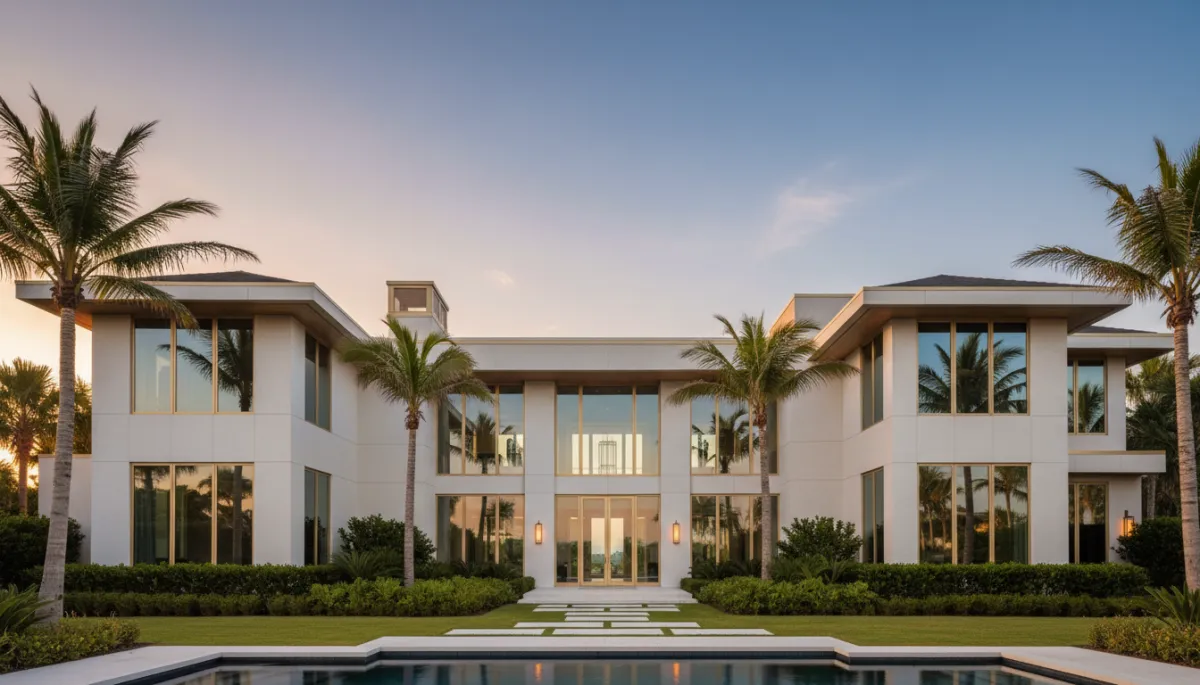
Airport growth and rising affluence are fueling steady demand for luxury Emerald Coast homes.
5. Constrained Waterfront Supply: Limited Inventory, Lasting Scarcity
One of the most overlooked aspects of NW Florida real estate investment 2026 is the hard limit on future waterfront and near‑beach inventory. The Emerald Coast’s most desirable stretches of shoreline are already substantially built out. Zoning restrictions, environmental protections, and simple geography mean we cannot “create” more true beachfront or walk‑to‑beach land at scale.
While inland areas can still see new subdivisions and infill development, waterfront and near‑beach properties are fundamentally scarce assets. As tourism grows, remote work expands, and demographic shifts continue to favor Sun Belt coastal living, this scarcity becomes more valuable. Investors who secure well‑located properties today are effectively locking in a finite resource in a region where long‑term demand is rising.
6. Historical Appreciation in Okaloosa and Walton Counties
Historical performance is not a guarantee of future returns, but it is a powerful indicator of how a market responds to economic cycles. In the Crestview–Fort Walton Beach–Destin metro area, federal house price index data shows steady, compounding appreciation through multiple market phases. From early 2025 to early 2026 alone, the regional index rose from roughly 412 to 437, reflecting continued price gains even as national headlines focused on “cooling” conditions.
At the local level, Q1 2026 data from Florida Realtors reports a 7.2% year‑over‑year increase in median single‑family prices in the Crestview–Fort Walton Beach–Destin MSA, with closed sales up more than 20%. Townhouse and condo sales also climbed more than 20% year over year. This is not the profile of a market in retreat; it is the profile of a market normalizing after a surge, yet still posting healthy appreciation.
Walton County’s higher price‑per‑square‑foot reflects the premium attached to its iconic coastal communities, while Okaloosa County still offers more attainable entry points. Together, they show a long‑term upward trajectory that supports a confident NW Florida market outlook for disciplined buyers and investors in 2026.
7. Why 2026 Represents a Window of Opportunity
After the rapid run‑up of the early‑2020s, 2026 is shaping up to be a more balanced year for Florida real estate. Statewide, experts forecast modest price appreciation, growing inventory, and improved affordability as mortgage rates stabilize in the 6–6.5% range. In many segments, the frenzy has faded—but the fundamentals remain strong.
For Northwest Florida, this creates a rare alignment:
- More negotiating room than during the peak of the post‑pandemic boom, with longer days on market in certain segments and more balanced inventory.
- Ongoing demand drivers—defense, tourism, airport expansion, tax advantages, and lifestyle migration—continuing to push long‑term value higher.
- Price‑per‑square‑foot discounts relative to other high‑profile coastal and Sun Belt markets that already trade at a premium to their lifestyle fundamentals.
This is precisely what a window of opportunity looks like. Prices are no longer distressed, but they have not yet fully priced in the long‑term impact of constrained coastal supply, airport‑driven accessibility gains, and the ongoing inflow of residents and capital seeking undervalued Florida real estate.
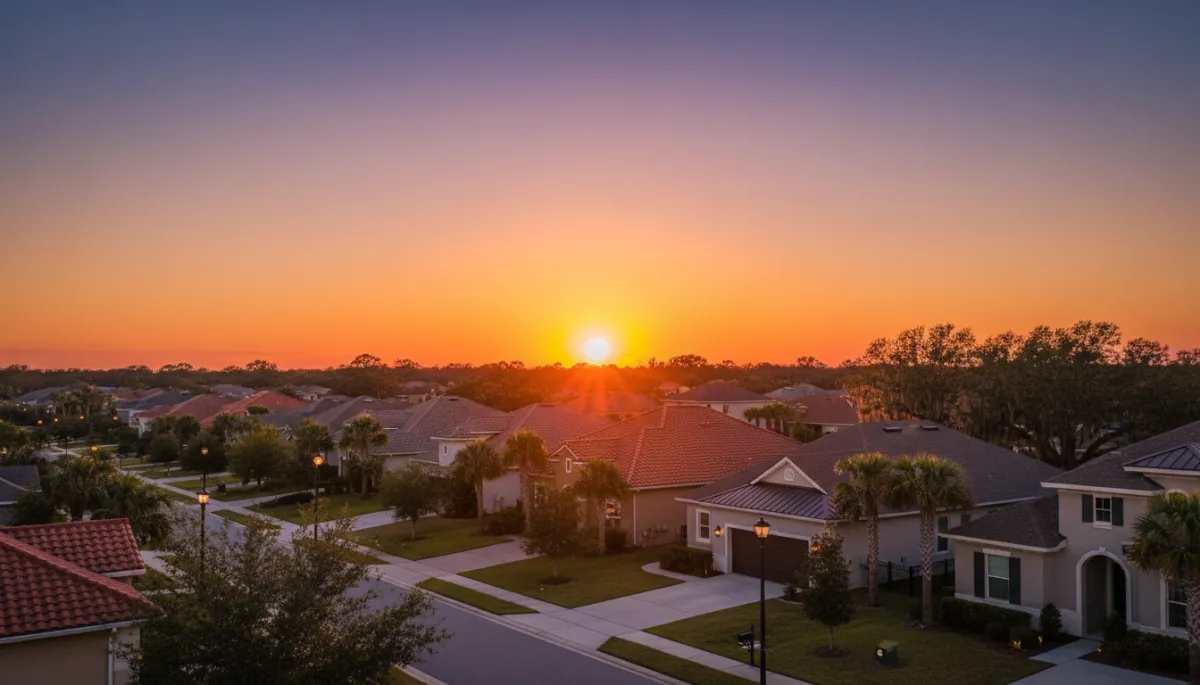
Today’s prices still trail the long-term value of scarce Emerald Coast neighborhoods.
8. The Investment Thesis: Why “Later” Is a Risky Strategy
For on‑the‑fence buyers and investors, the most common instinct in a balanced market is to wait. But in Northwest Florida, the data argues that “later” may be the more aggressive bet. Consider the core pillars of the 2026 investment thesis:
- Undervalued pricing relative to peers: When you compare price per square foot, lifestyle quality, and tax advantages, Northwest Florida still trades at a discount to other coastal and Sun Belt markets with similar appeal.
- Structural demand drivers: Defense, tourism, airport growth, and in‑migration are not short‑term fads; they are structural forces that compound over time.
- Finite coastal supply: Waterfront and near‑beach land will only become more scarce as development matures and regulation tightens, supporting long‑term appreciation.
- Proven appreciation history: Okaloosa and Walton counties have demonstrated resilience and growth across multiple cycles, with recent data confirming continued upward momentum into 2026.
In combination, these factors suggest that the gap between current prices and true long‑term value is more likely to close than to widen. Buyers who act now position themselves to benefit as the rest of the market catches up to what the data already shows: Northwest Florida is still undervalued.
Final Word: Act Before the Market Fully Reprices NW Florida
The Emerald Coast offers a rare combination of world‑class beaches, robust economic drivers, tax advantages, and still‑favorable pricing. In 2026, the market has shifted from overheated to rational—exactly the environment in which disciplined buyers and investors tend to make their best acquisitions. Waiting for “the perfect time” often means waiting until prices already reflect the opportunity you were hoping to capture.
If you are serious about NW Florida real estate investment 2026, the question is not whether the region will grow into its potential—it is whether you will own property here when it does. The Schultz Team at Coldwell Banker Realty in Niceville understands the nuances of each submarket, from primary residences to vacation rentals and luxury coastal homes, and can help you identify assets that align with your goals and risk profile.
Don't wait until NW Florida prices catch up to their true value. Call The Schultz Team at (850) 461-3717 or visit 350 W John Sims Pkwy Suite 402, Niceville, FL 32578.