
Discover NW Florida: 2026 Relocation Insights
Relocation, Northwest Florida Real Estate, Emerald Coast
Moving to Northwest Florida: The Ultimate 2026 Relocation Guide
Considering moving to Northwest Florida in 2026? This comprehensive NW Florida relocation guide 2026 is designed for out-of-state buyers and families evaluating the Emerald Coast—from Pensacola to Destin and beyond. You will find clear, data-backed insights on the cost of living, job market, weather, housing trends, and a practical relocation checklist tailored to today’s market conditions.
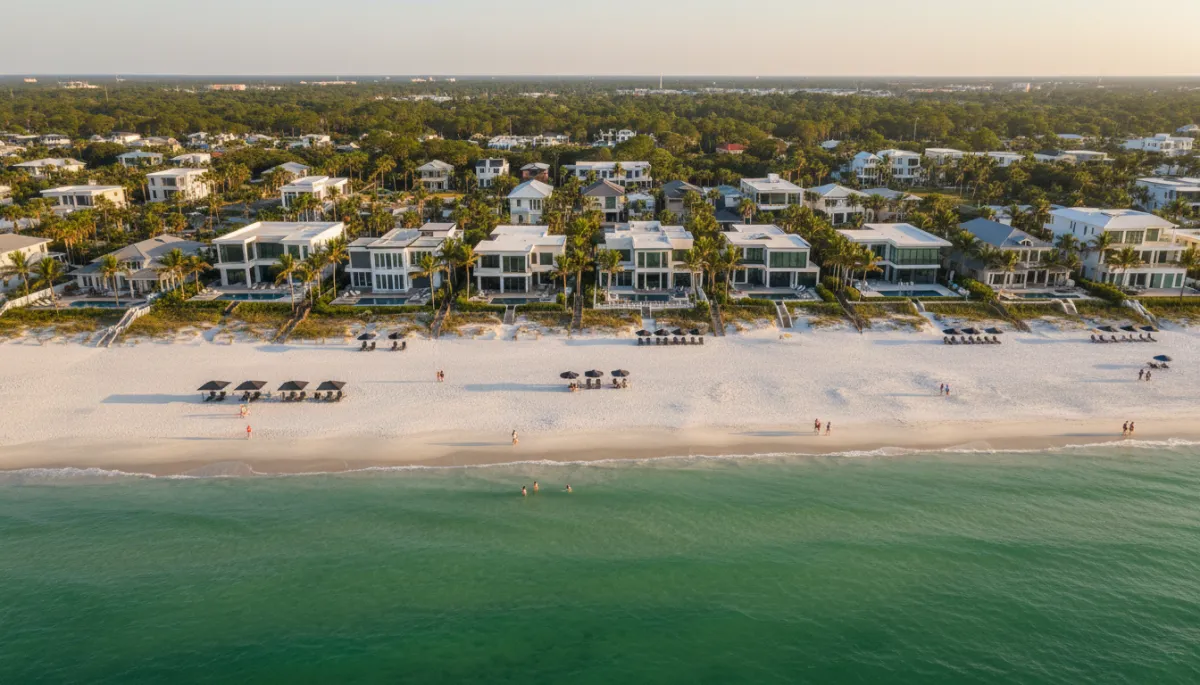
Why People Are Choosing Northwest Florida in 2026
Even as Florida’s overall migration boom cools from its pandemic peak, moving to Northwest Florida remains an attractive option for many out-of-state buyers. The Emerald Coast offers a rare combination of tax advantages, economic strength, and coastal lifestyle that continues to draw professionals, retirees, and military families alike.
Powerful Tax and Economic Advantages
The most immediate financial benefit of relocating to Emerald Coast communities is Florida’s no state income tax. For higher-earning households leaving states like California, New York, or Illinois, this often translates into an annual savings of approximately $10,000 to $40,000 per year, depending on income level and prior tax burden. For many families, this single factor can offset higher insurance or housing costs and significantly accelerate long-term wealth-building plans.
Florida’s broader economic foundation also remains strong. The state now boasts a $1.7 trillion economy, placing it among the largest in the world if measured as a standalone country. U-Haul has consistently ranked Florida as a top inbound state, and it currently stands as the #2 growth state by their migration index, underscoring ongoing domestic interest in Florida living despite rising costs and climate concerns.
Steady Job Growth Outpacing the Nation
Over the past four years, Florida’s private sector has demonstrated remarkable resilience. The state’s private sector job growth has exceeded the national rate in 46 of the last 48 months, supported by tourism, healthcare, construction, logistics, and advanced manufacturing. In Northwest Florida specifically, regional data shows job growth of around 8.7%, significantly above the national average of 5.9%, and earnings up nearly 19% in recent years. This dynamic environment is a key reason professionals and remote workers are still moving to Northwest Florida in 2026, even as overall in-migration slows statewide.
The Military Backbone of Northwest Florida’s Economy
One of the defining characteristics of the Emerald Coast is its strong military presence, which provides both economic stability and a distinctive community culture. Across Northwest Florida, the defense sector supports approximately 186,689 defense-related jobs, generating an estimated $21.8 billion in gross regional product. This “military backbone” helps insulate the region from some of the more dramatic economic swings seen elsewhere in the country.
Eglin Air Force Base, located in Okaloosa County, is the largest Air Force base in the United States by land area and a major employer. Surrounding installations such as Hurlburt Field, NAS Pensacola, and Whiting Field deepen the region’s defense footprint. Each year, roughly 5,200 service members separate from the military in this corridor, and the region retains about 50% of them. This steady pipeline of highly trained, often security-cleared talent attracts aerospace, defense, cybersecurity, and advanced manufacturing employers to the area.
The Real Cost of Living in Northwest Florida
When evaluating the cost of living Northwest Florida, it is important to recognize that the Emerald Coast is not monolithic. Beachfront resort towns, historic urban cores, and quieter bedroom communities each carry different price points. Below is a high-level snapshot of how several key markets compare to the national average in 2026.
Pensacola & Navarre: Slightly Below National Average
Overall, Pensacola and Navarre run approximately 3–4% below the U.S. national average in total cost of living, with housing often the biggest swing factor. Pensacola’s cost of living index is commonly cited around 88–95 (U.S. = 100), confirming that many everyday expenses—utilities, transportation, and healthcare—are slightly more affordable than in the typical American city. Navarre’s housing is usually higher than Pensacola’s, but lower property and sales taxes in Santa Rosa County can help offset some of that difference.
Destin & South Walton: Premium Beach Lifestyle
In contrast, Destin and portions of South Walton County (including 30A communities) are firmly in the premium category. Destin’s overall cost of living is roughly 20% above the national average, driven by high-demand vacation rentals, second homes, and limited land along the Gulf. Groceries and services may be comparable to national norms, but buyers should expect to pay a meaningful premium for walk-to-beach locations, Gulf views, and newer construction in these submarkets.
Fort Walton Beach: Near-Average Balance Point
Fort Walton Beach often serves as a middle ground. Its overall cost of living is close to the national average, with moderate home prices compared to Destin and more established neighborhoods than some newer bedroom communities. For many incoming families, Fort Walton Beach offers a practical balance between affordability, beach access, and proximity to Eglin AFB and Hurlburt Field.
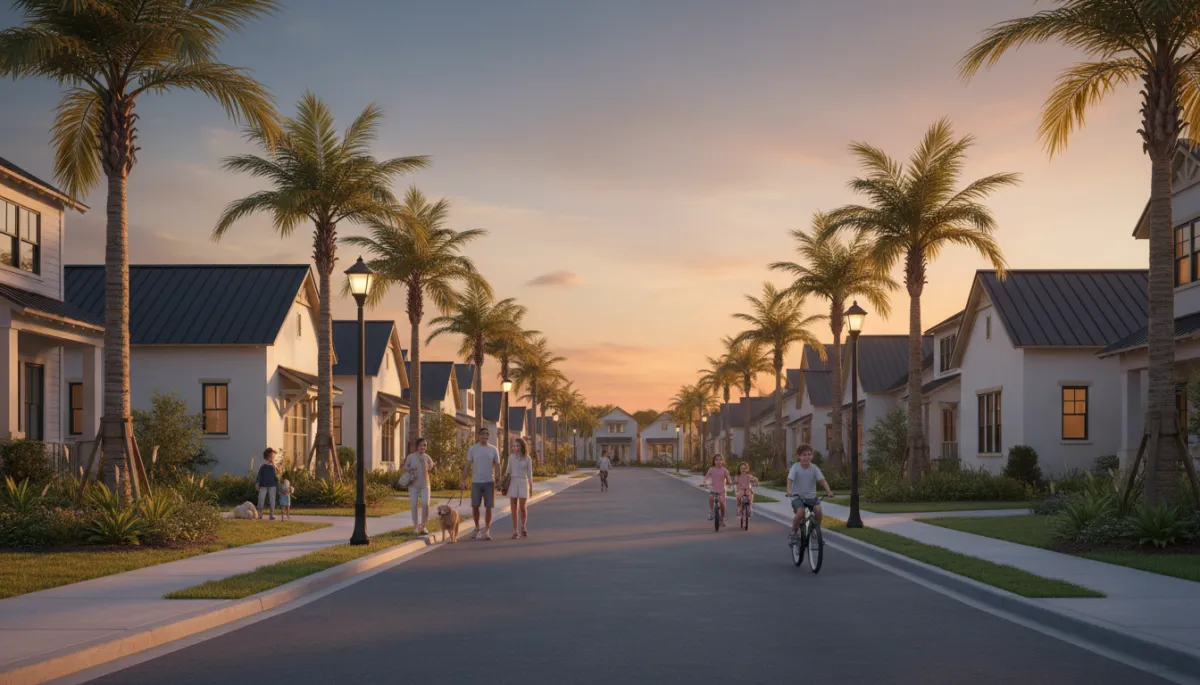
Neighborhood choice—beachfront, suburban, or urban—drives most cost-of-living differences along the Emerald Coast.
Job Market Overview: Where Northwest Florida Works in 2026
The Northwest Florida job market in 2026 is characterized by steady growth, rising wages, and sector diversification. While Florida’s statewide unemployment has inched up to around 4.8%, the region’s coordinated economic development and strong defense sector have helped it outperform many other parts of the state. According to Florida’s Great Northwest, the region has added more than 42,000 jobs in recent years, with priority sectors growing 12% and earnings in those sectors up over 26%.
Key Employment Sectors for Relocators
- Defense & Aerospace: Anchored by Eglin AFB, Hurlburt Field, NAS Pensacola, and related commands, defense and aerospace remain foundational. Contractors in weapons development, avionics, cyber, and test and evaluation are actively recruiting, particularly from the region’s veteran workforce pipeline.
- Healthcare: System expansions—such as HCA Florida Gulf Coast Hospital’s new emergency facilities and additional clinics across Okaloosa, Santa Rosa, and Walton Counties—are creating demand for nurses, physicians, therapists, and allied health professionals, as well as administrative and support roles.
- Tourism & Hospitality: The Emerald Coast’s white-sand beaches drive a robust tourism economy. Hotels, vacation rental management companies, restaurants, charter operators, and attractions rely heavily on seasonal and year-round staff, offering opportunities for both entry-level and experienced hospitality professionals.
- Remote Work & Professional Services: Many new residents are relocating to Emerald Coast towns while keeping jobs based in other states. Reliable broadband, regional airports, and a favorable tax climate make Northwest Florida appealing to remote professionals in tech, finance, consulting, and creative fields seeking a coastal lifestyle without sacrificing career momentum.
- Construction & Trades: Ongoing residential, commercial, and infrastructure projects—from industrial parks and logistics centers to new residential communities—have fueled strong demand for construction managers, tradespeople, and suppliers.
Weather by Season: What Living on the Emerald Coast Really Feels Like
Relocating to Emerald Coast communities means embracing a humid subtropical climate with long, warm summers and short, mild winters. Understanding the seasonal patterns will help you plan visits, pack appropriately, and choose the right home features—such as screened porches, storm shutters, or shaded outdoor areas.
Spring (March–May): Mild and Ideal
Spring is one of the most pleasant times of year in Northwest Florida. Daytime highs typically range from the upper 60s to mid-70s in March, warming into the low 80s by May. Humidity is manageable, and the Gulf waters gradually warm, making this an ideal season for house-hunting trips, beach walks, and outdoor festivals without the intensity of summer heat or peak hurricane risk.
Summer (June–August): Hot, Humid, and Active
Summers along the Emerald Coast are hot and humid, with daytime highs frequently in the low to mid-90s and heat indices climbing higher. Afternoon thunderstorms are common, and this is peak tourist season, with busier beaches and heavier traffic in vacation corridors. Strong air conditioning, shade trees, and access to pools or the Gulf become important quality-of-life considerations for year-round residents.
Hurricane Season (June–November): Risk and Preparedness
Officially, hurricane season runs from June 1 to November 30, with the most active period typically August through October. Northwest Florida has experienced significant storms in recent decades, and climate concerns are one reason migration to Florida has cooled from its earlier surge. When moving to Northwest Florida, it is essential to budget for wind, flood, and homeowners insurance, understand your property’s elevation and flood zone, and have a clear evacuation and preparedness plan in place.
Fall (September–November): Underrated Perfection
Once the peak heat and crowds of summer subside, fall delivers some of the best weather of the year. Highs generally settle into the 70s and low 80s, humidity drops, and the Gulf remains warm enough for swimming well into October. Many locals consider fall the ideal season for boating, fishing, and enjoying the beaches with fewer tourists.
Winter (December–February): Mild and Manageable
Winters in Northwest Florida are mild compared to much of the country. Daytime highs often range from the 50s to 60s, with occasional cold snaps dropping into the 40s or below. Frost and brief freezes are possible but generally short-lived. For many relocating from northern climates, the ability to play golf, walk the beach, or dine outdoors during winter months is a major lifestyle upgrade.
Homebuyer Relocation Checklist for 2026
Successfully relocating to Emerald Coast communities requires more than picking a favorite beach. Use this concise checklist to organize your move and avoid common pitfalls faced by out-of-state buyers navigating Florida’s unique insurance, tax, and climate considerations.
- Clarify Your Residency Plan. If you intend to make Florida your primary home, work with your tax advisor to establish Florida residency—this often includes obtaining a Florida driver’s license, registering to vote, filing a Declaration of Domicile, and applying for the homestead exemption on your primary residence, which can reduce property taxes and offer valuable protections.
- Get Insurance Quotes Before You Make an Offer. In coastal Florida, homeowners, wind, and flood insurance can vary dramatically by property. Before submitting an offer, obtain binding quotes from reputable local insurers so you understand your true monthly cost of ownership and can avoid surprises at closing.
- Visit During Multiple Seasons. If possible, schedule at least two trips—one in spring or fall and another in the summer. Experiencing both mild and peak-heat conditions will help you gauge traffic patterns, tourist density, and your comfort level with humidity and storm activity.
- Test Your Commute and Daily Routes. Whether you are commuting to a base, hospital, office, or airport, drive your likely routes during typical rush hours. A home that looks close on a map may involve bridges, tourist corridors, or school zones that add more time than you expect during peak season.
- Work with a Local Real Estate Expert. The Emerald Coast includes multiple counties, school districts, and micro-markets—each with different rules on short-term rentals, building codes, and insurance. Partnering with a local agent who specializes in relocation is critical for understanding neighborhood nuances, future development plans, and realistic pricing.
2026 Northwest Florida Housing Market Snapshot
After several years of rapid appreciation, the Florida housing market—Northwest Florida included—is moving into a more balanced phase. Statewide data shows softening demand, rising inventory, and modest price adjustments, trends that are increasingly visible across the Panhandle as well. For out-of-state buyers, this shift can translate into greater negotiating power and more time to make informed decisions.
Mortgage Rates and Buyer Leverage
As of mid-2026, 30-year fixed mortgage rates are hovering around 6.3–6.4%. While this is higher than the ultra-low rates of the early 2020s, it is within historical norms. Combined with softening demand and slower in-migration, these rates have contributed to increased inventory and more balanced negotiations between buyers and sellers compared to the frenzied conditions of 2021–2022.
Price Growth Outlook for 2026
Most forecasts for Northwest Florida point to modest price growth in the range of 1.9–2.2% for 2026. In practical terms, this means:
- Buyers are less likely to face intense bidding wars and extreme over-asking offers, except for the most desirable, low-inventory properties.
- Sellers may be more open to concessions, including closing cost credits, rate buydowns, or repairs, especially on homes that have been on the market longer.
- The market is shifting from a speculative, rapid-appreciation environment toward more sustainable, income- and lifestyle-driven purchases.
For relocators, this environment is generally favorable: you can still benefit from long-term growth prospects tied to Florida’s $1.7T economy and no income tax, while enjoying a more measured, less pressured home search process in 2026.
Frequently Asked Questions About Moving to Northwest Florida
Is moving to Northwest Florida still a good idea in 2026, given slower migration?
Yes—provided you understand both the benefits and the risks. While in-migration has slowed due to affordability and climate concerns, the region still offers no state income tax, a strong job market, and a high quality of life. For many households, especially those with stable incomes or remote work, the trade-offs remain attractive. The key is to budget realistically for insurance and housing, choose locations with strong elevation and infrastructure, and work with a knowledgeable local agent.
How does the cost of living in Northwest Florida compare to major metros?
Compared with large metros such as Miami, Washington, D.C., or New York City, cost of living Northwest Florida is typically much lower—particularly when factoring in no state income tax. Pensacola and Navarre often run a few percentage points below the national average overall, while Destin and some South Walton communities command a premium similar to other high-end coastal markets. Your exact experience will depend heavily on neighborhood, home size, and proximity to the Gulf.
Are there good schools and family-friendly communities along the Emerald Coast?
Yes. Okaloosa, Santa Rosa, Walton, and Escambia Counties all include family-friendly neighborhoods, parks, and school options, including highly rated public schools, charter programs, and private institutions. Many communities are designed around walkable neighborhoods, sports complexes, and youth activities. Because school zoning and performance can vary by neighborhood, it is important to review specific school ratings and boundaries when selecting a home.
What should I know about flood zones and insurance before buying?
Flood risk is a central consideration when relocating to Emerald Coast areas. Before purchasing, review the property’s FEMA flood zone, elevation certificate, and historical claims. Homes in higher-risk zones may require separate flood policies and carry higher premiums. A local agent can help you interpret these details and connect you with insurance professionals who understand current underwriting standards in Northwest Florida.
How far in advance should I start planning my relocation?
For most out-of-state buyers, a six- to twelve-month timeline works well. This allows time to research neighborhoods, visit in person, secure pre-approval, obtain insurance quotes, and coordinate employment or school transitions. If you are selling a home in another state, align your listing and closing dates with your Northwest Florida purchase to avoid unnecessary interim housing costs when possible.
Ready to Explore Northwest Florida? Partner with The Schultz Team
Moving to Northwest Florida is more than a real estate decision—it is a lifestyle choice that affects your finances, career, and family for years to come. In a 2026 market defined by modest price growth, higher insurance costs, and shifting migration trends, you need a local, data-driven advocate on your side.
The Schultz Team specializes in guiding out-of-state buyers through every step of relocating to Emerald Coast communities. Serving Okaloosa, Santa Rosa, Walton, and Escambia Counties, our team combines in-depth neighborhood knowledge with up-to-the-minute market data to help you:
- Identify the right community and school district for your lifestyle, commute, and budget.
- Understand true, all-in ownership costs—including insurance, taxes, and HOA fees—before you buy.
- Navigate inspections, appraisals, and negotiations in a market where buyers now have more leverage but still face local competition for well-priced homes.
- Coordinate virtual tours, remote closings, and move-in logistics if you cannot be on-site for every step.
If you are serious about relocating to the Emerald Coast in 2026, now is an excellent time to explore your options while inventory is rising and price growth remains moderate. Contact The Schultz Team today to schedule a personalized relocation consultation and begin mapping out your move to Northwest Florida with confidence and clarity.