
HOA Fees in NW Florida: 2026 Guide for Homebuyers
Real Estate, HOA Fees, Northwest Florida Homebuyers
HOA Fees in NW Florida: What Every Homebuyer Needs to Know
Meta Title: HOA Fees in Northwest Florida: Complete 2026 Guide for Homebuyers | Niceville, Destin, Pensacola & Emerald Coast
Meta Description: Learn how HOA fees in Northwest Florida work, typical ranges in Niceville, Destin, Pensacola and the Emerald Coast, 2026 Florida HOA law updates, and how HOA dues impact your mortgage, budget, and buying power.
Meta Keywords: HOA fees Northwest Florida, homebuyer NW Florida, HOA fees Niceville FL, Destin HOA fees, Emerald Coast home buying, HOA fees Pensacola, Florida HOA laws 2026
Buying a home along the Emerald Coast is exciting, but in communities from Niceville and Destin to Fort Walton Beach, Navarre, Crestview, Santa Rosa Beach, and Pensacola, one cost can surprise first-time buyers: HOA fees. Understanding how these dues work in Northwest Florida is essential for protecting your budget and avoiding unwelcome surprises after closing.
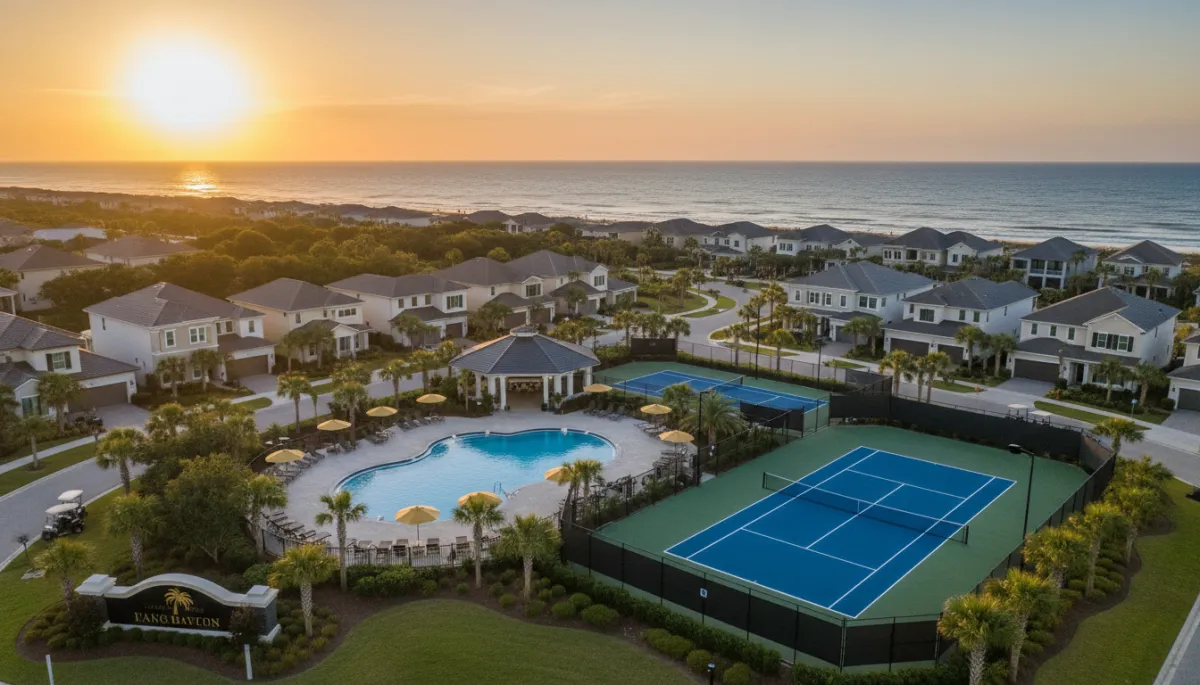
What HOA Fees Are and How They Work
A homeowners association (HOA) is a legal entity that manages a community’s shared property, rules, and long-term upkeep. When you buy in an HOA community in Northwest Florida, you automatically become a member and agree to pay HOA fees, also called assessments or dues.
These fees are typically charged monthly or quarterly and are set by the association’s budget. The board of directors (usually volunteer homeowners) reviews projected expenses—such as landscaping, insurance, pool service, and reserves—and divides that cost among all owners according to the community’s governing documents. In condominiums, fees are often based on unit size or percentage of ownership; in single-family neighborhoods, they may be equal for each lot.
If an HOA does not collect enough through regular dues, it can levy a special assessment—a one-time charge for large projects such as roof replacements, seawall repairs, or major storm damage not fully covered by insurance. This is why understanding both current fees and the association’s financial health is critical for any homebuyer in NW Florida.
Typical HOA Fee Ranges in Northwest Florida Communities
HOA fees in Northwest Florida vary widely depending on location, property type, and amenities. Statewide, Florida’s average HOA fee is around $463 per month, according to HOA Costs, making it one of the more expensive states for association dues. Coastal insurance costs, reserve requirements, and amenity-rich communities all contribute to higher averages.
In the Panhandle and Emerald Coast region, including Pensacola, Destin, and Niceville, data shows significant variability. A small sample of Pensacola communities reported an average of about $1,353 per month in HOA fees, with a range from $60 to $3,500. Because that dataset is tiny, it likely reflects a mix of modest associations and high-end waterfront condominiums rather than typical neighborhoods. More practical ranges for HOA fees Northwest Florida look like this:
| Property Type | Typical Monthly Range (NW Florida) | Notes |
|---|---|---|
| Modest single-family planned community | $100 – $300 | Common in inland areas like Crestview or Navarre |
| Mid-level townhomes | $150 – $400 | Often includes exterior maintenance and landscaping |
| Standard condominiums (non-luxury) | $400 – $600 | Typical for mid-rise buildings in Destin or Fort Walton Beach |
| Luxury waterfront/high-rise condos | $800 – $1,500+ | Premium amenities and high insurance costs |
In Niceville specifically, recent listings show HOA dues of about $450/month for a condo at The Oaks of Niceville and about $264/month for a townhome in Royal Oaks Village—well within Florida’s typical ranges. Some neighborhoods, like Hawk’s Landing, have no HOA fees, which can be appealing to buyers who prefer fewer rules and lower monthly costs.
What HOA Fees Usually Cover in NW Florida
Before deciding whether a particular community’s dues are “high” or “low,” it is essential to understand what you are getting for your money. In Northwest Florida, HOA fees commonly cover:
- Amenities: Pools, clubhouses, fitness centers, tennis or pickleball courts, playgrounds, beach access, and security gates. Destin and Santa Rosa Beach condo communities often have extensive amenity packages that drive fees higher but can replace private gym or pool costs.
- Exterior maintenance: Landscaping, irrigation, exterior painting, roof replacement, parking lot resurfacing, elevator maintenance, and common-area cleaning. Townhome and condo owners typically see more included exterior upkeep than single-family homeowners.
- Insurance: In many condominium associations, the HOA carries a master policy that covers the building structure and common areas, particularly important in a hurricane-prone region. Owners then purchase interior “walls-in” or contents coverage. For single-family HOAs, insurance may be limited to common areas like entry monuments or clubhouses.
- Utilities and services: Some communities include water, sewer, trash, internet, or cable, especially in Pensacola and Destin condos. A $450/month fee that covers high-speed internet, trash, exterior maintenance, and a pool may compare favorably to a lower fee with few inclusions.
- Reserves and long-term repairs: A portion of your monthly dues is often set aside into reserve funds to pay for future big-ticket items—roof replacement, structural repairs, elevators, seawalls, or major mechanical systems. Strong reserves are a sign of a well-run association.
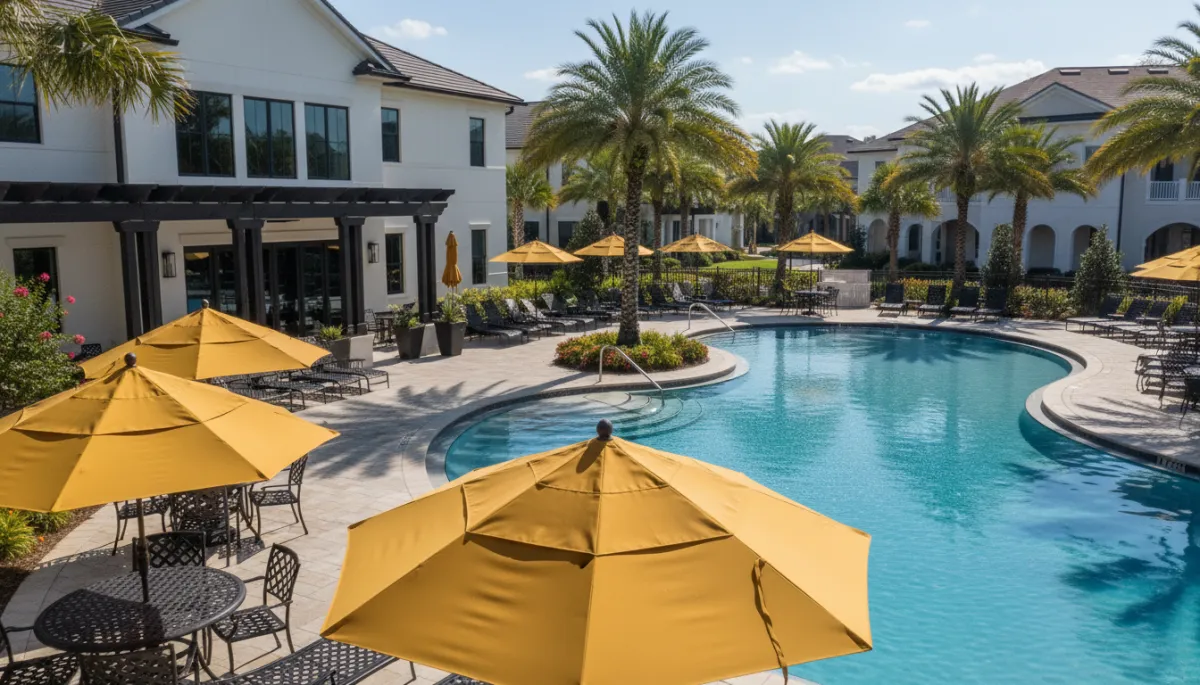
Many Emerald Coast HOA fees bundle amenities, exterior upkeep, and shared insurance costs.
How HOA Fees Affect Your Mortgage and Buying Power
Lenders look at your total monthly housing expense—principal, interest, taxes, insurance, and HOA dues (PITI + HOA)—when determining how much you can borrow. Higher HOA fees reduce the maximum mortgage payment you can qualify for, which directly impacts your price range for Emerald Coast home buying.
For example, imagine your lender approves you for a total housing payment of $2,500 per month. If you choose a Niceville home with $100/month in HOA dues, you have roughly $2,400 left for your mortgage, taxes, and insurance. If you choose a Destin condo with $600/month in dues, your remaining budget for the mortgage, taxes, and insurance drops to about $1,900. Over a 30-year loan, that difference can translate into tens of thousands of dollars in buying power.
How to Evaluate an HOA Before You Buy
Not all HOAs are created equal. Two communities with similar fees can have very different levels of financial stability and homeowner satisfaction. As a homebuyer in NW Florida, you should carefully review:
- Current budget and financial statements: Look for a clear line item for reserves, reasonable operating expenses, and no chronic deficits. Healthy reserves reduce the risk of special assessments after storms or major repairs.
- Reserve study or Structural Integrity Reserve Study (SIRS): For condos, especially along the coast in Pensacola, Destin, or Fort Walton Beach, a recent reserve study is essential. It shows whether the association is setting aside enough for long-term structural components under current Florida requirements.
- Meeting minutes and newsletters: These documents reveal whether owners are frequently complaining, whether big projects are looming, and how transparent and communicative the board is.
- Rules and restrictions: Review parking rules, rental policies (especially important if you are considering short-term rentals in Destin or Navarre), pet rules, and architectural guidelines. Make sure the lifestyle fits your expectations.
- Delinquency and foreclosure rates: High numbers of owners behind on dues can signal financial strain and may affect the community’s ability to maintain property values and amenities.
Red Flags to Watch for in HOA Documents
Careful document review can help you avoid costly surprises. When you receive the HOA disclosure package, watch for these red flags:
- Underfunded reserves: If the reserve study recommends a certain level of annual funding and the association is contributing far less, expect future fee increases or special assessments—especially critical in aging condo buildings near the Gulf.
- Frequent or large special assessments: A history of repeated special assessments can indicate poor long-term planning or chronic financial stress.
- Pending lawsuits or major insurance disputes: Legal conflicts can lead to higher insurance premiums, difficulty obtaining financing, or sudden fee increases for owners.
- Vague or outdated rules: Governing documents that have not been updated for many years may not fully comply with current Florida HOA laws 2026, creating risk and confusion for owners and boards alike.
- Overly broad enforcement powers without safeguards: Look for clear procedures for fines, hearings, and appeals. Recent Florida legislation has tightened fining and record-keeping rules to protect homeowners; documents that ignore these changes may be a concern.
2026 Florida HOA Law Updates and Reserve Requirements
As of July 2026, no brand-new HOA statutes have taken effect, but major reforms passed in 2024 and 2025 now fully shape how associations operate across the state, including Northwest Florida. For buyers in communities from Pensacola to Destin, it is important to understand the practical impact of these changes.
- HB 1203 (effective July 1, 2024): Expanded homeowner protections, strengthened board accountability, set clearer limits on fines, and required better access to records. Larger HOAs must maintain a website or app with governing documents, budgets, and meeting minutes, improving transparency for buyers.
- HB 1021 (effective July 1, 2024): Added Structural Integrity Reserve Study (SIRS) and inspection mandates, particularly for multi-story buildings. Associations can no longer simply vote to waive funding for structural reserves. This makes condo buildings safer but often increases reserve contributions—and therefore HOA fees—over time.
- HB 913 (effective July 1, 2025): Refined reserve requirements, conflict-of-interest disclosures, and financial reporting timelines, adding more structure to how boards manage money and report to owners.
A proposed 2026 bill, HB 657, which would have further changed HOA dispute resolution and dissolution processes, did not become law. For now, the main takeaway for buyers is that associations must:
- Fund structural reserves in compliance with SIRS requirements, especially in condos and multi-story buildings near the coast.
- Provide more transparent financial and governance information, often online, which buyers can review before closing.
These laws may cause some HOA fees in Pensacola, Destin, and other coastal areas to rise as associations properly fund reserves and comply with inspection requirements. However, they also reduce the risk of catastrophic special assessments and poorly maintained buildings—a net positive for long-term owners.
Practical Tips for Budgeting HOA Fees in Northwest Florida
Whether you are focused on HOA fees Niceville FL or comparing Destin condo options, thoughtful budgeting will help you stay comfortable after you move in. Consider the following strategies:
- Include HOA dues in your “all-in” housing budget. When you calculate what you can afford, factor in mortgage, taxes, insurance, and HOA fees together. Do not treat dues as an afterthought. This is especially important for Emerald Coast home buying, where condo fees can be substantial.
- Compare what the HOA fee replaces. If a community’s dues cover high-speed internet, trash, exterior maintenance, and a gym, you might save on separate bills you would otherwise pay outside an HOA. Look at your total lifestyle cost, not just the fee in isolation.
- Build a personal reserve for increases. Even well-managed HOAs raise dues over time. Set aside a small monthly amount—perhaps $25–$50—into your own savings so you can absorb future increases or special assessments more easily.
- Ask about upcoming projects and assessments. Before you buy, ask the property manager or board if any major projects are planned in the next three to five years. New roofs, seawall repairs, or elevator replacements in coastal condos can translate into significant temporary assessments for owners.
- Plan for insurance and storm-related costs. In Northwest Florida, hurricanes and tropical storms are a reality. Strong reserves and adequate master insurance help protect the property, but deductibles and uncovered costs can still lead to assessments. Keeping an emergency fund is wise for any homeowner in the region.
Bringing It All Together for NW Florida Homebuyers
HOA fees are not just another line item; they are a window into how your future community is managed, maintained, and protected. For buyers exploring HOA fees Northwest Florida—from Niceville and Crestview to Destin, Fort Walton Beach, Navarre, Santa Rosa Beach, and Pensacola—the key is to look beyond the dollar amount and understand:
- What is included in the dues and how that compares to paying for those services yourself.
- Whether the association is financially sound and compliant with current Florida HOA laws 2026, especially reserve and inspection requirements.
- How the fee level will affect your mortgage qualification and long-term budget.
By requesting HOA budgets, reserve studies, meeting minutes, and rules upfront—and by working closely with a knowledgeable local real estate professional—you can make confident decisions about which communities align with your financial comfort level and lifestyle. With the right due diligence, your HOA can become a valuable partner in preserving both your property value and your peace of mind along Florida’s Emerald Coast.