Florida Home Insurance Crisis: 2026 Guide
Real Estate, Florida Homeowner Insurance Crisis 2026, NW Florida Home Insurance
Florida's Homeowner Insurance Crisis — What Every NW Florida Buyer Must Know in 2026
Florida’s insurance headlines have been loud for years — carriers leaving, premiums jumping, buyers getting spooked. But if you’re looking in Niceville, Destin, Fort Walton Beach, Navarre, Crestview, Gulf Breeze, Miramar Beach, or Panama City Beach, you don’t need more noise. You need clear, local, 2026 reality so you can buy confidently, not blindly.
1. Why Florida’s Insurance Market Is in Crisis — And Why 2026 Looks Different
The short version — Florida had the perfect storm. Years of hurricane losses, roof and contractor fraud, and a lawsuit machine that made us infamous. At one point, Florida had under 10% of the nation’s homeowner claims but close to 80% of the lawsuits. That math does not work for insurance companies, so many simply left or stopped writing new policies.
The result was predictable — fewer carriers, higher risk, and premiums that jumped into the $7,000–$11,000 per year range for some Florida homeowners. Citizens Property Insurance, the state-backed “insurer of last resort,” ballooned to over 1.4 million policies. That’s not sustainable for the state or for you as a buyer.
In the last few years, though, the state finally pushed through serious reforms — tightening lawsuits, cleaning up assignment-of-benefits abuse, and rewarding hurricane hardening. By 2025–2026, the combined ratio for many carriers (a basic profitability measure) dropped into the low 80% range, and more than 20 new property insurers brought over $850 million of fresh capital into Florida’s market (Florida Office of Insurance Regulation).
Citizens is now shrinking again, and some companies — including Citizens itself — are actually filing rate decreases in 2026, with average cuts around 8–9% in many areas. That does not mean insurance is cheap. It does mean the freefall has slowed, and the market is stabilizing. For buyers in Northwest Florida, this is the year to get educated instead of scared off.
2. What This Means for NW Florida Buyers — What to Check Before You Ever Make an Offer
Niceville is not Miami, and Destin is not Fort Lauderdale — our risk profile is different, but insurance still drives affordability. Before you write an offer on a home in Destin, Fort Walton Beach, Navarre, Crestview, Gulf Breeze, Miramar Beach, or Panama City Beach, you should be doing three things up front, not after you fall in love with the kitchen.
- Know the roof story. Age, material, and condition are everything. A 20-year-old shingle roof in Niceville might still look fine to you, but some carriers will not touch it — or they’ll charge you accordingly. Many companies now want 10–15 years or less on shingle roofs and will price metal roofs more favorably.
- Ask for prior insurance history. Has the property had claims? Non-renewals? Citizens coverage? A clean history in the private market is a good sign. A string of claims or forced moves to Citizens can be a red flag for both cost and future insurability.
- Get a ballpark quote before you commit. In 2026, “buying a home in Florida insurance” is a phrase for a reason — your insurance payment can rival your mortgage. You want a real number, based on that specific property, not an online average from somewhere in Central Florida.
3. The Condo Situation — Why Older Coastal Buildings Are a Different Beast
Condos in Destin, Miramar Beach, Navarre Beach, and Panama City Beach are a different conversation from a single-family home in Niceville or Crestview. You’re not just insuring your unit — you’re buying into the building’s master policy, reserves, and maintenance history. That’s where a lot of buyers get surprised.
Older coastal buildings — especially those built before modern wind codes — can see huge jumps in their association insurance premiums. If the association hasn’t kept up with concrete restoration, roofs, windows, and structural reports, insurers price that risk in. You feel it in your monthly condo dues and any special assessments tied to insurance or required repairs.
Before you buy a condo in Destin or Panama City Beach, you should be reviewing:
- The association’s current insurance policies and premiums — including wind and flood
- Reserve studies and budgets — are they funding future roof and structural work?
- Any recent or upcoming special assessments — especially those tied to insurance increases or code upgrades
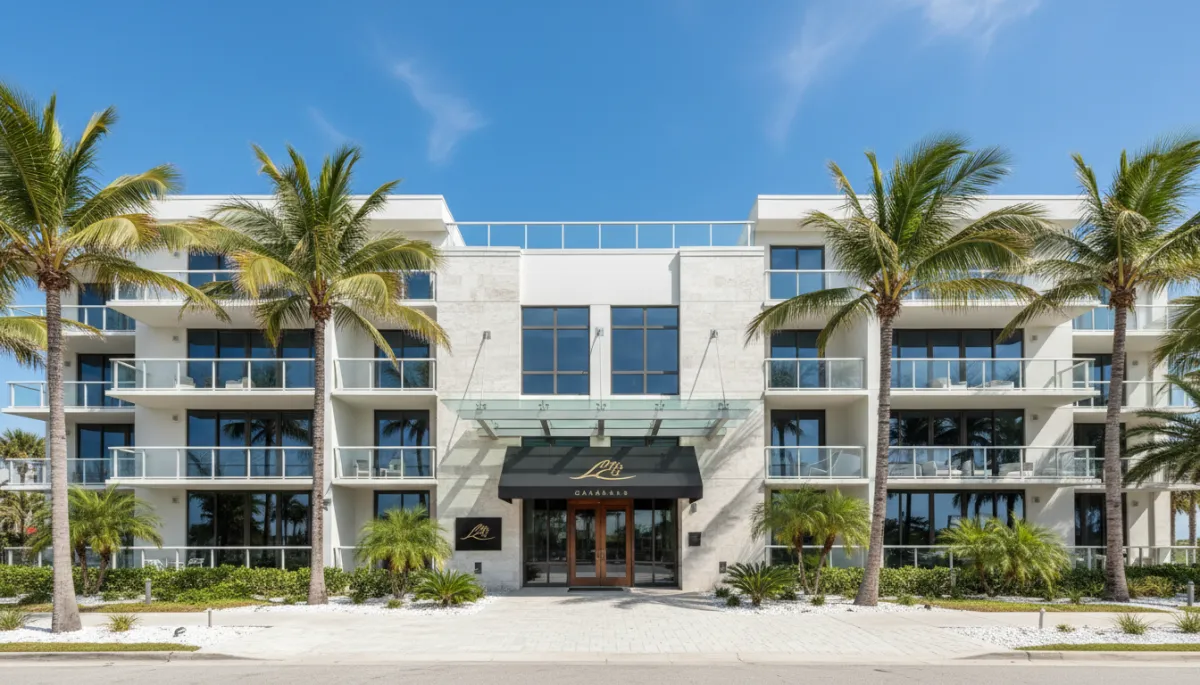
Strong reserves and updated building systems help keep Destin condo insurance manageable.
4. How to Actually Get a Home Insured in NW Florida in 2026
The playbook today is different from five years ago. Thanks to new laws, agents are required to shop the private market before placing you with Citizens. Citizens is still there — and still critical — but it is truly an insurer of last resort now, not a shortcut to lower rates.
- Private carriers: With more than 20 new insurers approved in Florida since the reforms, many Northwest Florida properties can now find private coverage again, especially if the home has a newer roof, wind mitigation features, and a clean claim history.
- Citizens: If the only private quotes are more than 15% higher than Citizens, you may still qualify for Citizens under 2026 rules. Expect strict underwriting, separate wind or flood policies in some cases, and ongoing efforts to move you back to a private carrier when possible.
- Mitigation discounts: Programs like My Safe Florida Home and extended tax breaks on impact windows, doors, and other hardening measures can lower your long-term insurance costs if you’re willing to invest in upgrades.
5. What Sellers Must Disclose — And What Buyers Should Demand
Florida sellers are required to disclose known, material facts that affect the value of the property and are not easily visible. That includes things like prior water intrusion, hurricane damage, unpermitted work, or structural issues. Insurance history itself is not a separate disclosure form — but it absolutely impacts value and marketability in 2026.
- Ask for the age of the roof, HVAC, plumbing, and electrical systems — in writing.
- Request any available wind mitigation reports, four-point inspections, or prior insurance inspection reports.
- For condos, demand current budgets, reserve studies, and the association’s insurance declaration pages before your inspection period expires.
A seller who “doesn’t know” basic facts about the roof or can’t produce documentation is not automatically hiding something — but it is your cue to dig deeper and negotiate inspection timelines accordingly.
6. Red Flags to Watch For During Inspection in 2026
In Northwest Florida, your home inspection is not just about whether the AC blows cold — it is about whether an insurance company will say “yes” or “no” and at what price. A few red flags that should get your attention:
- Roofs nearing carrier age limits, visible patch jobs, or multiple layers of shingles
- Old electrical panels or aluminum wiring that some insurers simply will not accept
- Polybutylene plumbing or evidence of past water damage that was “repaired” but not fully remediated
- For condos — spalling concrete, visible rust on rebar, or notes in association minutes about upcoming major structural projects without clear funding
7. Why Working With a Local Expert Like The Schultz Team Protects You
The Florida homeowner insurance crisis 2026 is not just a headline — it is part of every serious conversation we have with buyers and sellers from Niceville to Gulf Breeze. You do not need an agent who shrugs and says, “Call your insurance person.” You need a team that builds insurance into your strategy from day one.
- We understand which neighborhoods, roof types, and building ages tend to see smoother insurance approvals in NW Florida — and which ones need extra diligence.
- We coordinate with local insurance professionals early, so your “Niceville FL home insurance” or “Destin condo insurance” questions are answered with real numbers, not guesses.
- We help you use inspection findings and insurance realities to negotiate repairs, credits, or price adjustments — instead of discovering a deal-breaking premium two days before closing.
Northwest Florida property insurance is still expensive, and it still requires homework. But with the right guidance, you can buy smart, budget accurately, and avoid the horror stories you see online. That is the difference between going it alone and having a local, boots-on-the-ground advocate in your corner.
Final Word — Clarity Beats Fear in 2026
The Florida insurance story is not simple. Yes, we went through a real crisis. Yes, premiums are still high. But reforms are working, new carriers are here, and buyers in Niceville, Destin, Fort Walton Beach, Navarre, Crestview, Gulf Breeze, Miramar Beach, and Panama City Beach still have solid options — if they approach each property with clear eyes and the right questions.
Navigating Florida's insurance landscape before buying? The Schultz Team at Coldwell Banker Realty knows what to check and how to protect you. Call (850) 461-3717 or visit 350 W John Sims Parkway, Suite 402, Niceville, FL 32578.