Florida Flood Disclosures: A November Checklist for Niceville Buyers & Sellers
In early November, it can be tempting to focus on the home itself: the layout, the commute, the view, or whether it feels like the right fit. On Florida’s Emerald Coast, a confident decision also means understanding flood disclosures and insurance before you sign. Here is a practical guide for buyers and sellers in Niceville and across Okaloosa County.
What Florida’s flood disclosure says
Florida law requires a seller of residential real property to complete and provide a flood disclosure to the buyer at or before the sales contract is executed. The disclosure asks whether the seller knows of flooding that damaged the property during the seller’s ownership, whether the seller filed a flood-damage insurance claim, and whether the seller received assistance for flood damage. The form also explains that homeowners’ insurance does not include flood-damage coverage and encourages buyers to discuss separate flood insurance with their insurance agent.
That disclosure is an important starting point—not a substitute for asking questions or doing your own due diligence. Read the form carefully, ask for clarification if an answer is unclear, and keep the information with your transaction records. You can review the wording in Florida Statutes, section 689.302.
Flood coverage is a separate decision
Do not assume a standard homeowners policy covers flood damage. Florida’s Office of Insurance Regulation explains that flood coverage is generally not included in a homeowners policy and typically needs to be purchased separately. The state’s flood-insurance guidance is a useful starting point for understanding the distinction.
Timing matters, too. The National Flood Insurance Program says coverage generally begins 30 days after purchase, with exceptions for certain situations, including some mortgage transactions. The exact rule depends on the policy and circumstances, so ask a licensed insurance professional whether an exception applies to your purchase and when coverage would begin. Do not assume a policy will take effect immediately just because you are approaching closing. See the NFIP guidance on buying a flood policy.
Buyer checklist: questions to answer before you commit
- Read the seller’s disclosure. Review each response about known flooding, insurance claims, and assistance. Ask follow-up questions if anything is incomplete or needs context.
- Ask about the property’s history. Discuss prior water intrusion, drainage concerns, repairs, and relevant records with the seller and your inspection professionals. A disclosure is not a guarantee that no water issue has ever occurred.
- Get an insurance quote early. Contact an insurance professional during your due-diligence period. Ask about homeowners, wind, and flood coverage separately, along with deductibles, exclusions, limits, and estimated premiums.
- Confirm the start date. Ask when the specific flood policy would become effective and whether a waiting period or an exception applies. Make sure the answer fits your contract and closing timeline.
- Check the parcel—not just the city name. Flood risk and insurance needs can vary from one property to another. Ask the appropriate professionals to review the exact address, available flood information, elevation details, and any lender requirements.
- Budget for the full monthly cost. Include insurance estimates, deductibles, taxes, utilities, and maintenance when comparing homes. A purchase price alone does not tell the whole affordability story.
- Keep important dates visible. Track your inspection, insurance, financing, and contract deadlines. If a coverage question remains unresolved, raise it promptly with your agent and the relevant licensed professional.
Seller checklist: make the process clearer
Before listing, gather records that can help you answer questions accurately: prior flood-related repairs, insurance claims, assistance records, and information about improvements or drainage work. Complete the required disclosure honestly and on time, and avoid guessing when you do not know an answer. If you are unsure how to respond, ask your real estate or legal professional for guidance rather than treating the form as a marketing document.
It can also help to organize permits, receipts, warranties, and any available elevation or insurance documents so buyers can review relevant information efficiently. Clear, complete answers support a smoother conversation and give everyone a better basis for deciding what additional inspections or coverage questions to pursue.
Local context: evaluate each home on its own facts
Niceville, Valparaiso, Crestview, Shalimar, Fort Walton Beach, and the wider Emerald Coast include a range of property types and settings. A community name, distance from the water, or a seller’s past experience cannot tell you by itself what a particular home’s flood exposure or insurance cost will be. Treat each address as its own due-diligence project, and get property-specific information from qualified sources.
Whether you are buying near Eglin AFB, moving to the area, or preparing to sell a longtime home, ask questions early enough to make a considered decision—not at the last minute. The right next step is often a conversation with your real estate professional, insurer, lender, and inspector about the details that matter for that specific transaction.
Want a steady local guide?
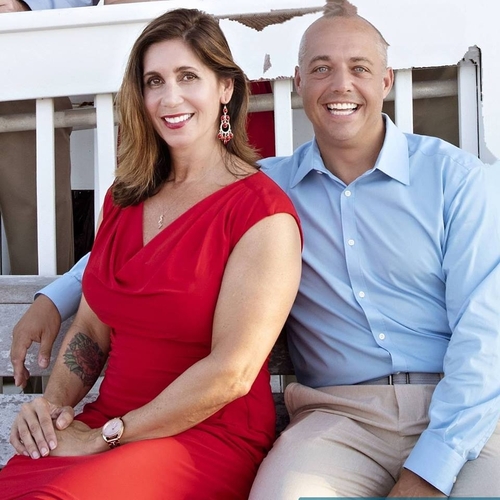
If you are considering a move in Niceville or elsewhere along Florida’s Emerald Coast, The Schultz Team is happy to help you map out your next steps. Contact us for a free buyer or seller consultation, or ask about a home valuation. Call or text 850-546-4464. Let our family help your family—starting with clear answers and a plan that fits your goals.
General educational information only; not legal, insurance, tax, or financial advice. Confirm contract obligations and coverage details with the appropriate licensed professionals.
Helpful references: Florida flood disclosure statute · Florida flood insurance information · NFIP policy timing and purchase guidance